Water Damage Restoration Benbrook, TX
Flash floods, split pipes and sewage backups can soak a Benbrook home fast. The restoration team extracts standing water, sets drying equipment and documents the loss for the insurance file.
(888) 527-9134Reach a water removal pro now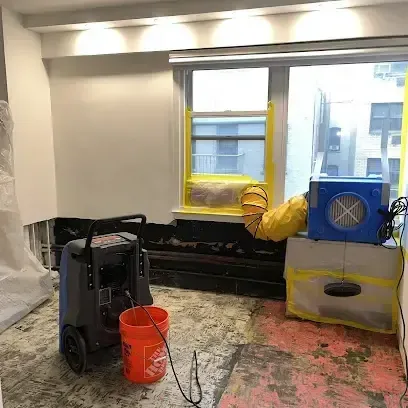
Every kind of water loss, one crew
From a flooded garage to a leaking ceiling, the restoration team handles twelve kinds of water loss, each with its own scope, typical costs and drying plan for local property owners.
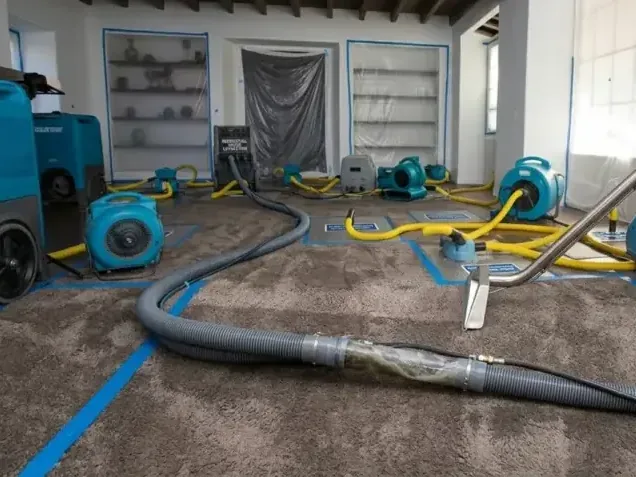 Water Extraction and RemovalPumps and extraction wands pull standing water off floors and carpet, which matters most when flash flooding fills a room.View service
Common here
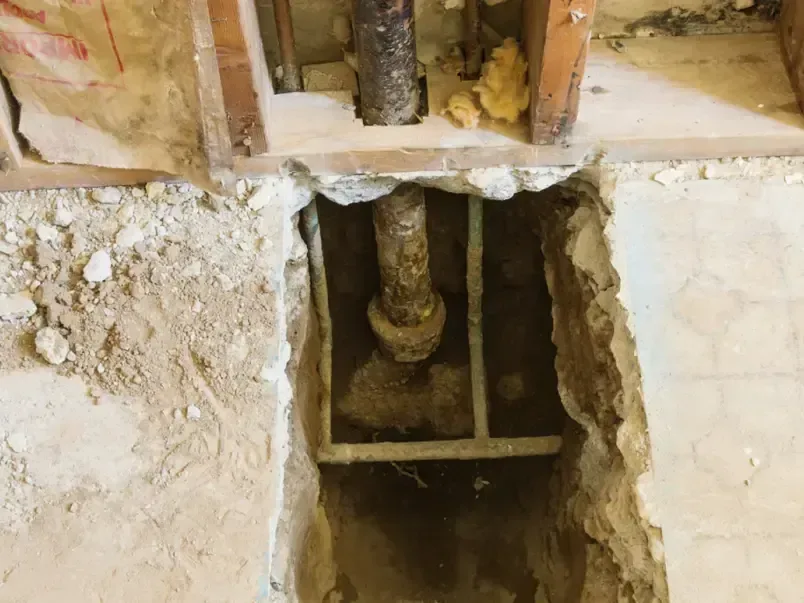 Slab Leak Water DamageLeaks in or under the concrete foundation are traced, isolated and dried before damp spreads into framing and flooring.View service
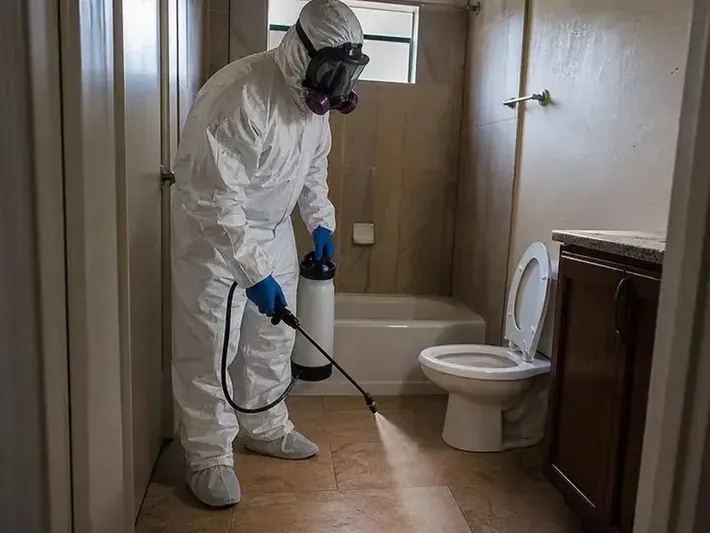 Sewage Backup CleanupContaminated water from backed up drains is removed, soaked porous materials are cut out and surfaces are sanitized.View service
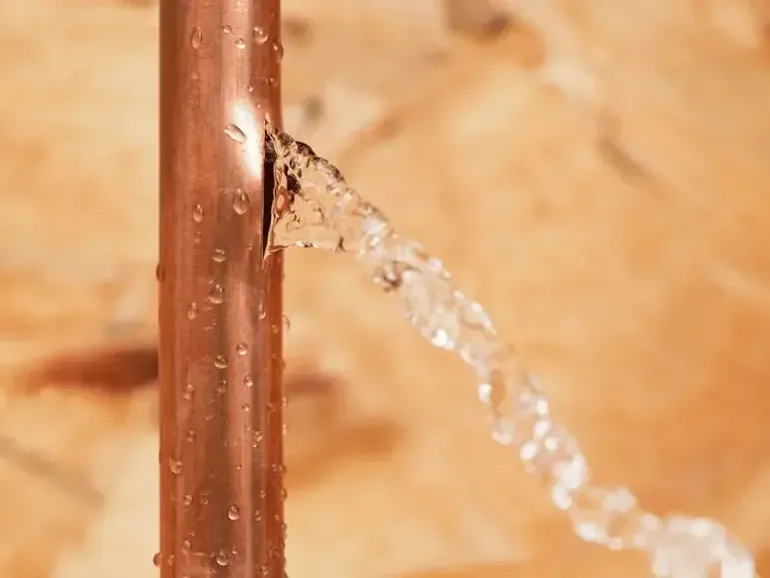 Burst Pipe Water DamageA split supply pipe can empty into walls for hours, so the water is stopped, extracted and the cavities dried out.View service
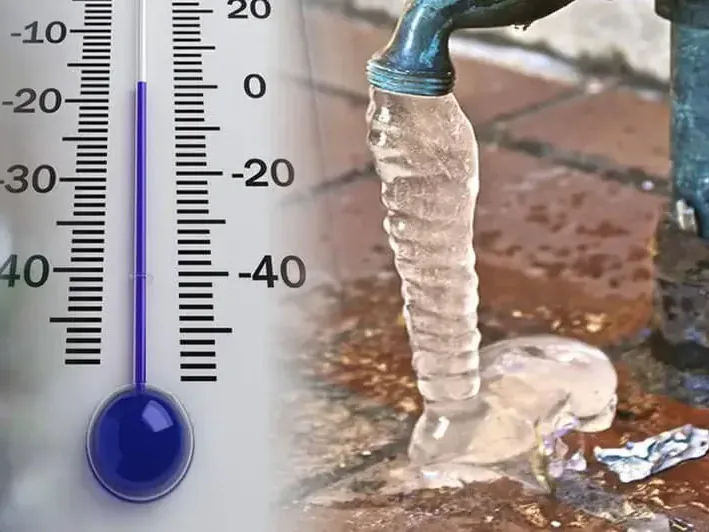 Frozen Pipe Water DamageWinter storms freeze exposed pipes, and the damage often shows at the thaw when ice turns back into running water.View service
Common here
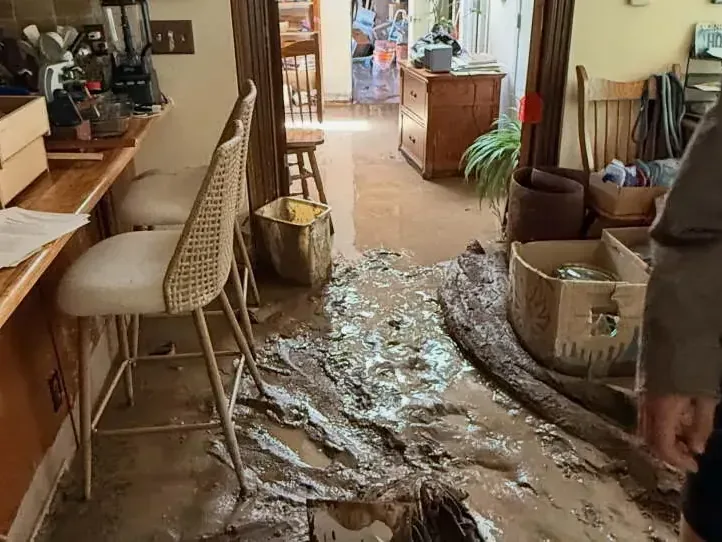 Storm and Flash Flood CleanupWater from heavy storms and creek runoff is pumped out, then muddy floors and lower walls are cleared and dried.View service
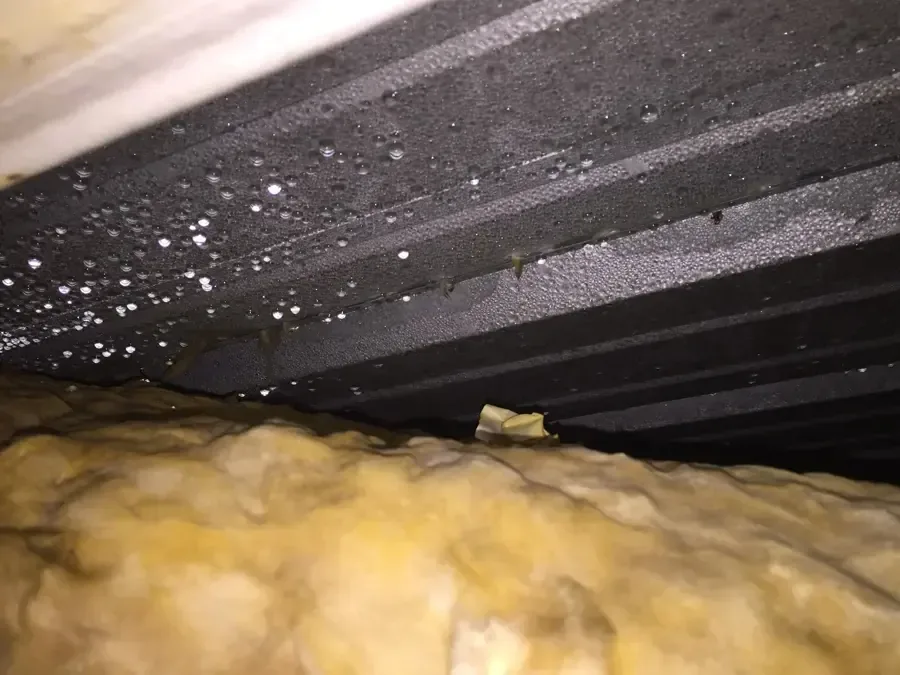 Roof Leak Water DamageRain that gets past damaged shingles soaks attic insulation and ceilings, and both need drying before stains spread.View service
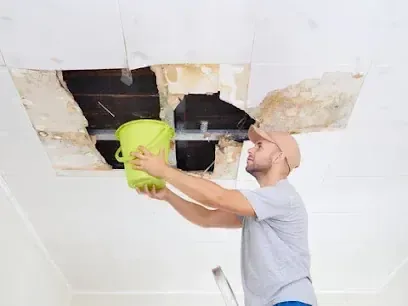 Ceiling Leak Water DamageA stained or sagging ceiling hides wet framing above it, so the area is opened, checked and dried.View service
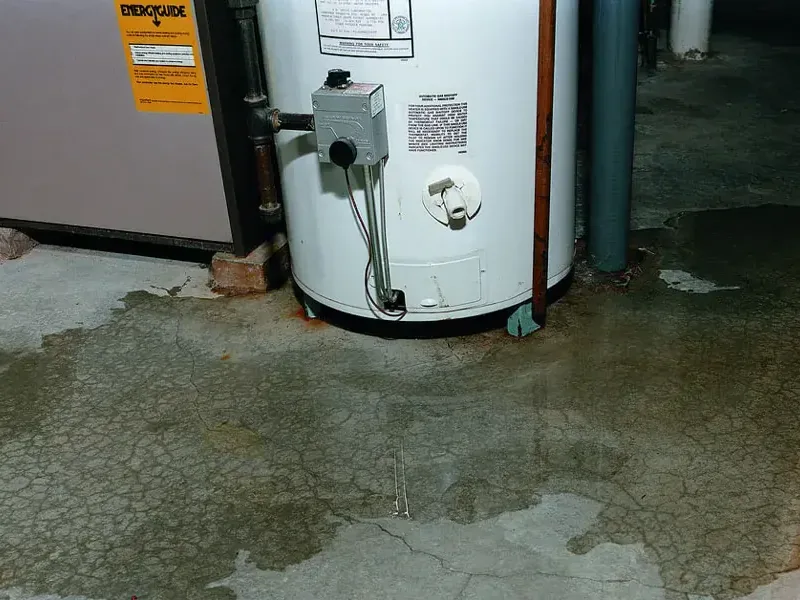 Water Heater Leak CleanupA failing tank can flood a garage, closet or attic fast, and cleanup covers extraction and drying.View service
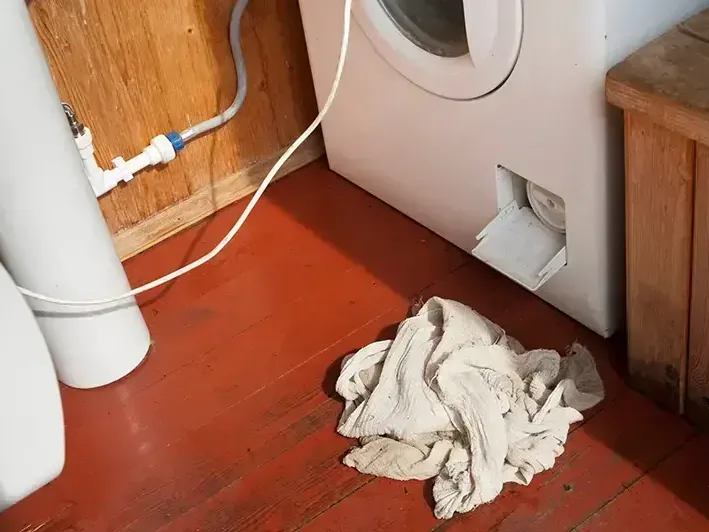 Appliance and Supply Hose LeaksDishwashers, washers and worn supply hoses leak behind walls and under cabinets, often for days unnoticed.View service
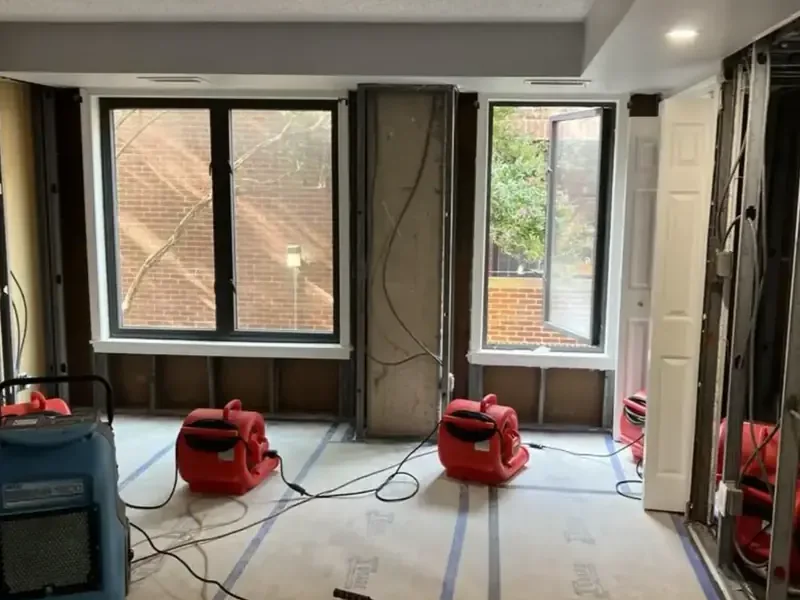 Structural Drying and DehumidificationAir movers and dehumidifiers pull moisture from studs, subfloors and concrete, with readings that show when drying is done.View service
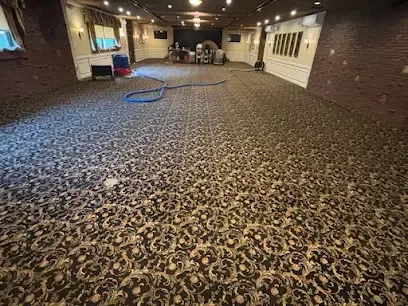 Commercial Water DamageShops, restaurants and offices along busy corridors get extraction and drying planned around the business.View service
Five steps to take while water is still spreading
- Stop the source. Close the main water valve or the fixture shutoff so the leak stops adding water to the floor and walls, which limits how much has to be dried later.
- Cut power to wet areas. Switch off breakers serving wet rooms, and never step into standing water near outlets, cords or plugged in appliances.
- Lift valuables out. Move rugs, books, electronics and small furniture to dry ground before they wick up water and stain.
- Photograph everything. Take wide and close photos of damage, wet belongings and appliance labels before anything is discarded.
- Phone the crew. Call right away, because water keeps traveling into drywall, trim and subfloor for as long as it sits.
Water damage work built around measured drying
Drying that is checked with moisture meters, thermal readings and daily logs leaves fewer surprises behind finished walls in Benbrook homes, as the structural drying work shows, and the paperwork supports an insurance claim.
Moisture mapped
Meters and thermal imaging show which materials are wet, so only the damaged sections come out and the rest of the room stays put.
Equipment sized right
Air movers and dehumidifiers are chosen by room size and material, then adjusted as the readings fall.
Scope in writing
The scope lists rooms, materials and drying equipment, which lets the household and the adjuster read one plan.
Honest limits
The team handles water removal and drying, and says plainly when a rebuild or plumbing repair needs another trade.
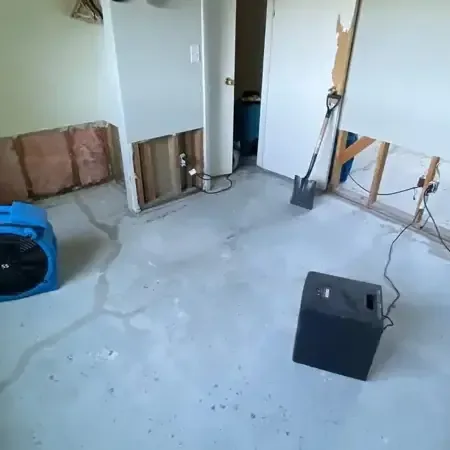
Water sitting on drywall, carpet pad or subfloor for 24 to 48 hours lets mold start, so quick extraction saves more of the structure.
Three kinds of water loss that need different handling
Supply pipe breaks
Burst or frozen supply pipes release clean water quickly, and the key work is fast extraction followed by careful wall, ceiling and floor drying.
Burst pipe cleanupAppliance and hose leaks
Washers, dishwashers and ice makers leak slowly behind finished surfaces, so moisture mapping is needed to find the hidden spread.
Appliance leak dryingSewage backups
Contaminated water calls for protective gear, careful removal of soaked porous materials and sanitizing before drying starts.
Sewage cleanupWhat water damage restoration costs for a home
A small loss caught early often runs $1,200 to $6,500, slab leaks and multi room losses run $6,500 to $18,000, and contaminated or flood water jobs start at $18,000 and up.
Small loss, found quickly
- Clean water pumped out
- Floors and walls dried
- Equipment runs several days
Slab leak or several wet rooms
- Flooring lifted near the leak
- Wet drywall cut back
- Dehumidifier drying
Flood water or contaminated jobs
- Contaminated water contained
- Soaked materials removed
- Sanitizing before rebuild
Final pricing depends on moisture readings taken on site, and coverage varies by insurance policy, so the team documents each room before any estimate is finalized.
Documenting a loss for the adjuster
Adjusters respond best to organized records, so the team keeps photos, moisture logs and equipment lists ready to attach to a claim.
- Dated photos of every wet room, wet wall and damaged item
- Moisture readings recorded room by room
- Equipment placement and daily run notes
- Receipts for emergency plumbing and any temporary repairs
- A written list of damaged belongings
What the household should save
Keep damaged items until the adjuster has seen them, unless they are unsafe or contaminated, and store all photos and receipts in one folder.
Contact the carrier early. Policies often treat sudden pipe breaks differently from slow seepage, so ask what the claim covers before repairs begin.
A drying standard backed by readings, not guesses
Industry drying practice sets goals for each material, and the team measures against them at every visit until studs, subfloors and drywall return to normal moisture levels.
Assess
Moisture meters and a thermal camera map every wet surface in each affected room, and those readings set the starting point for the whole plan.
Remove
Standing water is extracted, and soaked padding, baseboards or drywall are taken out to open the cavities so air can reach hidden moisture.
Dry
Air movers and dehumidifiers run while the crew rechecks readings and moves equipment as the pattern changes.
Verify
Final readings are recorded against the goals, and equipment leaves only after every material tests dry and the household has the written record.
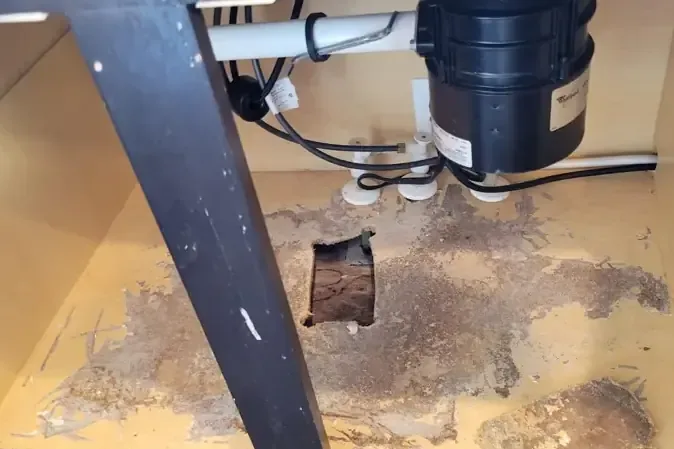
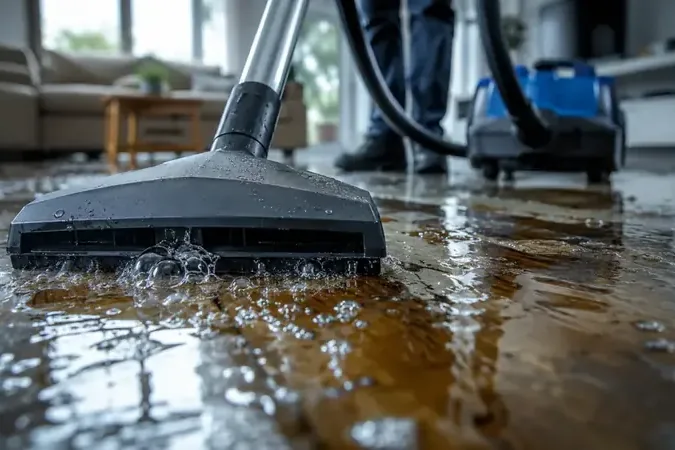
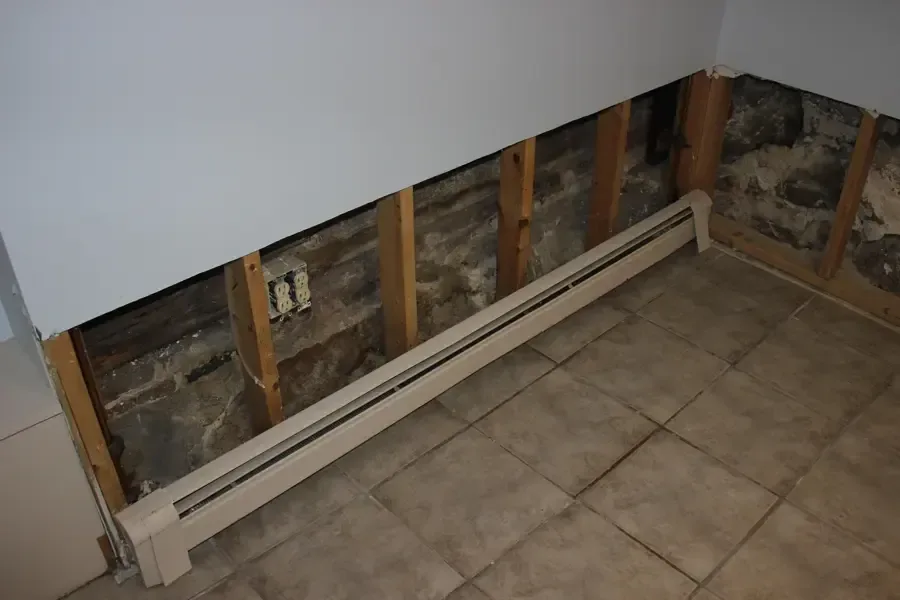
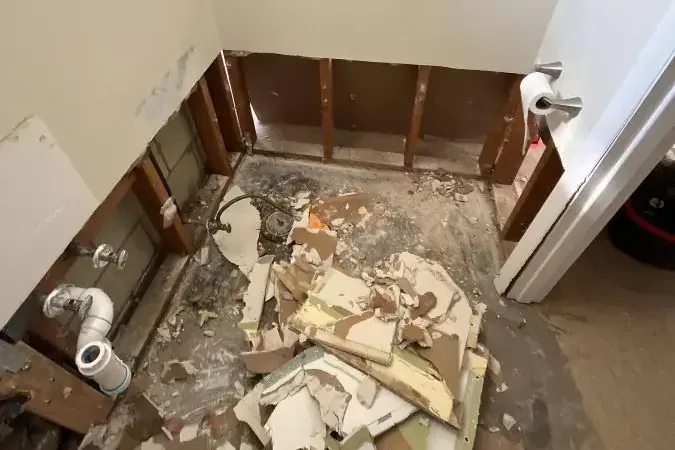
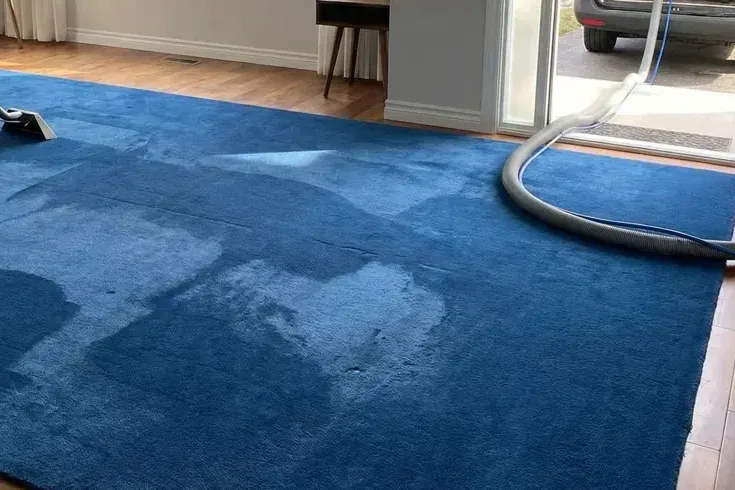
What water damage work looks like

Neighborhoods and corridors across the city
ZIP code served
Water emergency in the city? Reach the restoration team
Residents of Westpark, Whitestone Ranch and every other Benbrook neighborhood can reach the crew by phone at any hour for extraction, drying and sewage cleanup.
Property managers along the Benbrook Boulevard corridor can also ask about commercial drying, and tenants in rental homes can ask what to document for the landlord.
Benbrook, TX · [email protected]
(888) 527-9134Request water removal helpCorridors and landmarks
Nearby cities
Creek and flood risk across the city
Mary's Creek, Timber Creek and the Dutch Branch run through more than 1,300 acres of floodplain, about 19 percent of the city area, and most flooding arrives as flash floods.

1922 to 2007 The city's master drainage plan documents large floods in 1922, 1949, 1961, 1974, 1975, 1982, 1989, 1990, 2004 and 2007, so high water is an old pattern here.
Flash flooding
The city says advance warning is often hard to give, so water can reach garages and ground floors before residents can move belongings or move cars.
Floodplain creeks
Runoff from the creeks moves through lowlands, and homes on low spots near them tend to take on water first during heavy rain, even when the street looks fine.
Lake and spillway
Benbrook Lake formed in 1952 behind a dam built by the U.S. Army Corps of Engineers, and its spillway releases flood water into the channel below.
Winter storms
The National Weather Service recorded a North Texas winter storm from January 23 to 26, 2026, and hard freezes like it can split exposed supply pipes.
Drainage plan
The city runs a City-Wide Master Drainage Plan to address inadequate storm drainage and floodplains, and the Public Works Department maintains streets, curbs and drainage areas.
Common water damage questions
Water on the floor right now?
Call the restoration team, shut off the source if that is safe, and keep everyone away from wet outlets and cords.
(888) 527-9134 Phone the drying crew nowHow fast does water damage spread in a home?
Water wicks into drywall, baseboards and subfloor within hours, and swelling and staining follow. After 24 to 48 hours the risk of mold climbs sharply, so extraction should not wait for the weekend or for a better time.
Does homeowners insurance cover flood damage?
Standard policies often exclude rising floodwater but may cover sudden pipe breaks and appliance failures. Flood coverage is usually a separate policy, so the carrier should be called before any repairs begin, and the policy should be read for exclusions.
Who should be called first for a sewer clog?
Report clogs and sewer problems to the Benbrook Water Authority first, since its website has a page for leaks, breaks and clogs. Once sewage reaches floors, the crew handles the contaminated cleanup through sewage backup cleanup.
What happens to wet carpet and padding?
Clean water carpet can often be lifted, dried and reset in place. Padding is usually replaced because it holds moisture, and water extraction is the first step, while carpet touched by sewage or flood water is normally discarded for safety.
Why do floors need equipment after the water is gone?
Extraction removes surface water only. Moisture remains inside subfloors, studs and cabinet bases, and dehumidifiers pull it out before it causes swelling, odors or hidden decay.
Can a frozen pipe split without warning?
Yes. Ice can crack a pipe while it is still frozen, and the leak only begins at the thaw, so a sudden drop in water pressure after a freeze deserves a quick check.
How long do air movers and dehumidifiers run?
Most jobs need several days, depending on materials, humidity and how far the water spread. Daily readings decide when each piece of equipment can stop, not a fixed date on the calendar.
Does the crew handle businesses along Benbrook Boulevard?
Yes. Shops, restaurants and offices get a drying plan built around opening hours, with commercial water damage work staged to limit downtime.
What if the leak started in a rental unit?
About 35.4 percent of occupied homes here are renter occupied, so a shared wall is common. Tenants should report the leak in writing and photograph damage while the landlord arranges drying.
When is a plumber needed instead of a drying crew?
A plumber repairs the failed pipe, valve or fixture. The drying crew removes the water and dries the structure, and both trades often work on the same loss one after the other.
Water keeps moving into walls until someone stops it
The restoration team can start extraction, set drying equipment and document the loss for the household and the insurer.
(888) 527-9134Call the drying crew