Water Damage Restoration Crowley, TX
When a supply line splits, a slab leak surfaces or storm runoff pushes under the door, the extraction crew pulls the water, maps the moisture and dries the structure to a measured standard.
(888) 527-9134Send a crew to pull the water out tonight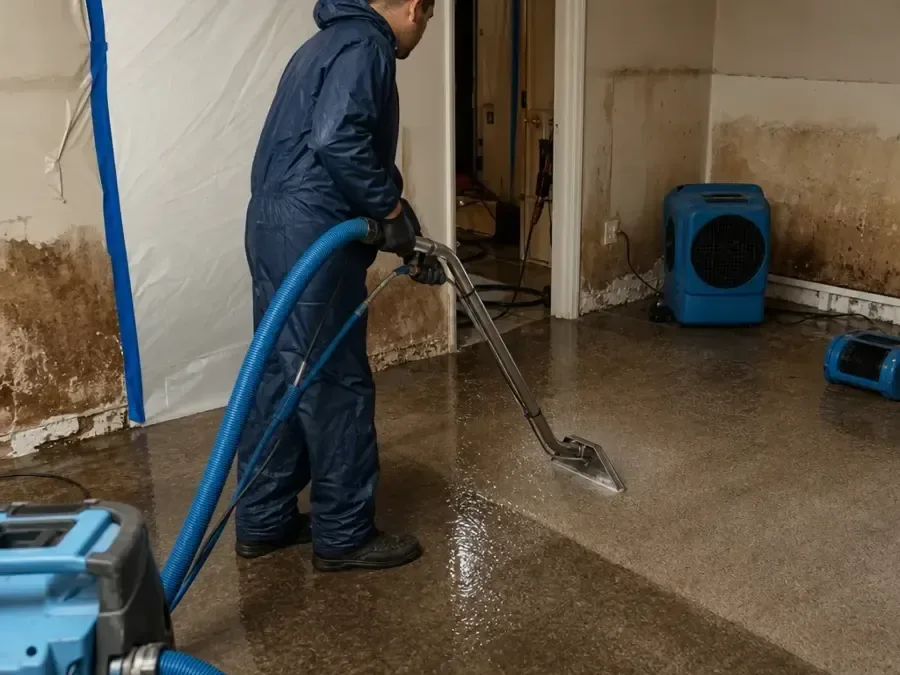
Water Damage Restoration Services in Crowley, TX
Water and sewage only, from the first pump-out to the last moisture reading. Each service below covers what the crew does, what it costs and how long drying runs.
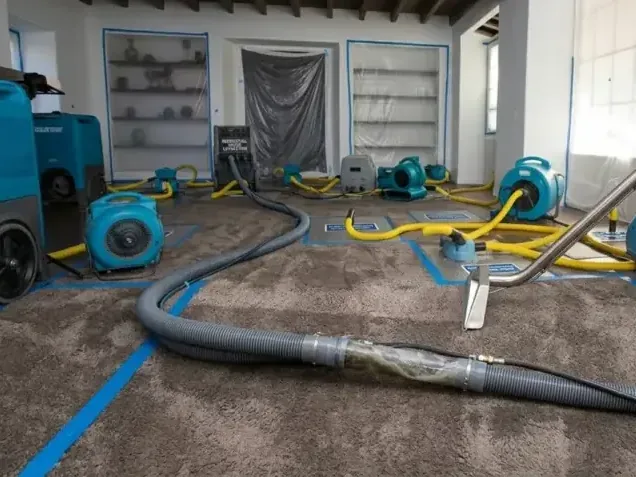 Water Extraction and RemovalTruck-mounted and portable units pull standing water off slab floors before pad, baseboards and drywall soak it up.View service
Common here
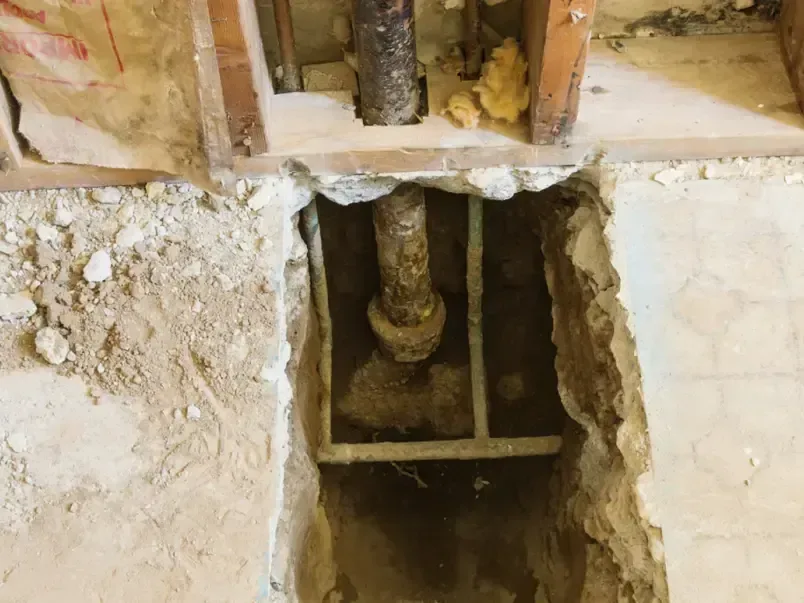 Slab Leak Water DamageA pressure leak under the concrete, found with moisture mapping, then wet flooring lifted and the slab dried.View service
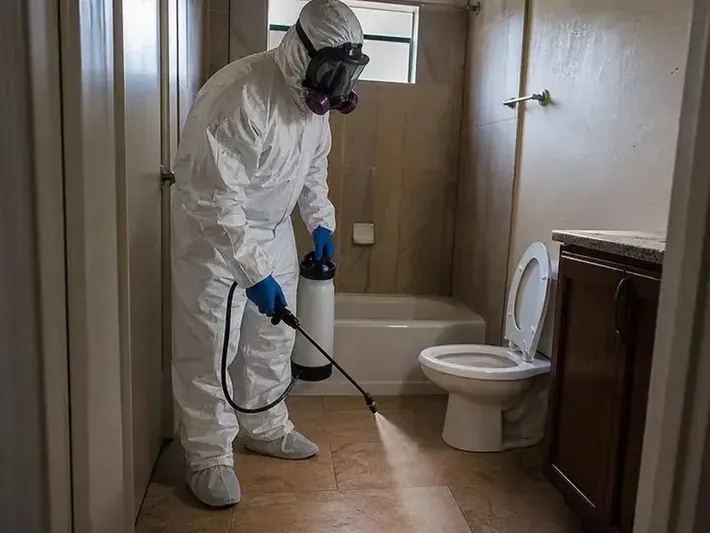 Sewage Backup CleanupToilet, tub and floor-drain backups handled as Category 3: containment, removal of soaked materials, disinfection.View service
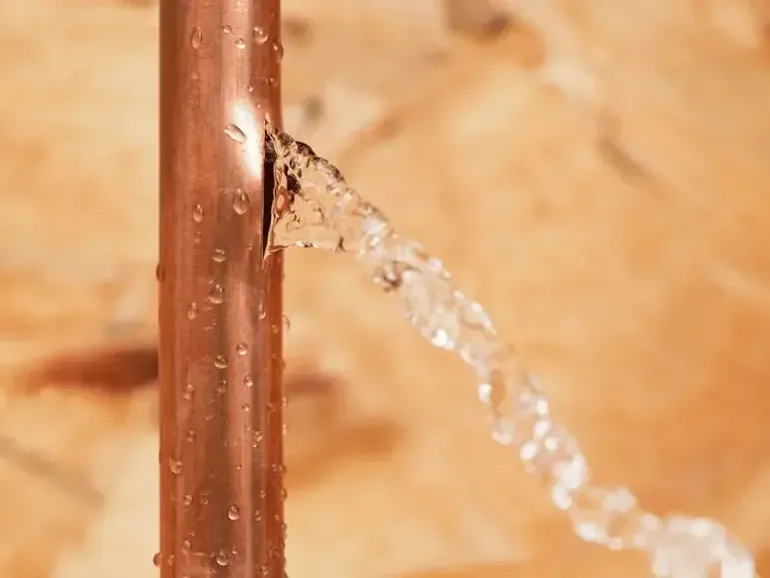 Burst Pipe Water DamageSplit lines and failed fittings inside walls and ceilings, with the cavities opened just enough to dry.View service
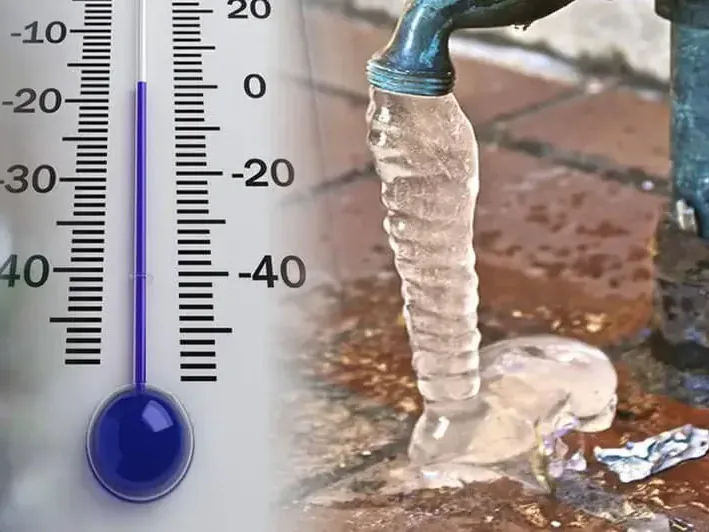 Frozen Pipe Water DamagePipes in exterior walls, attics and garages that split in a hard freeze, dried out as the thaw begins.View service
Common here
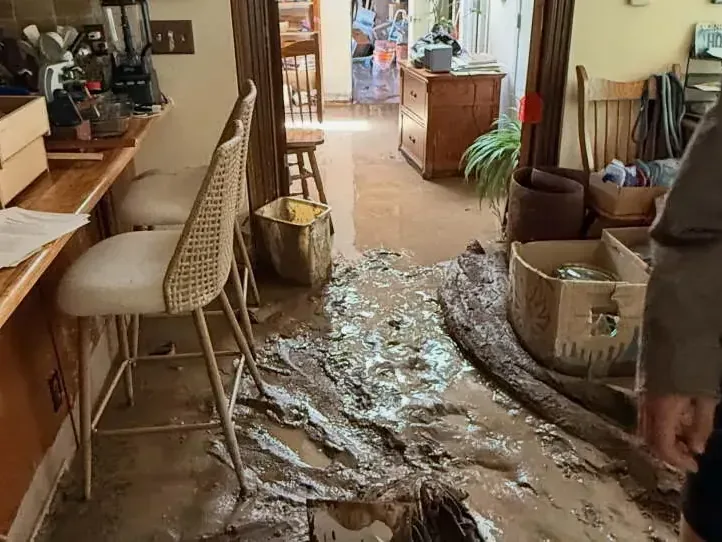 Storm and Flash Flood CleanupHeavy-rain runoff and creek overflow treated as contaminated water, extracted and dried with documentation.View service
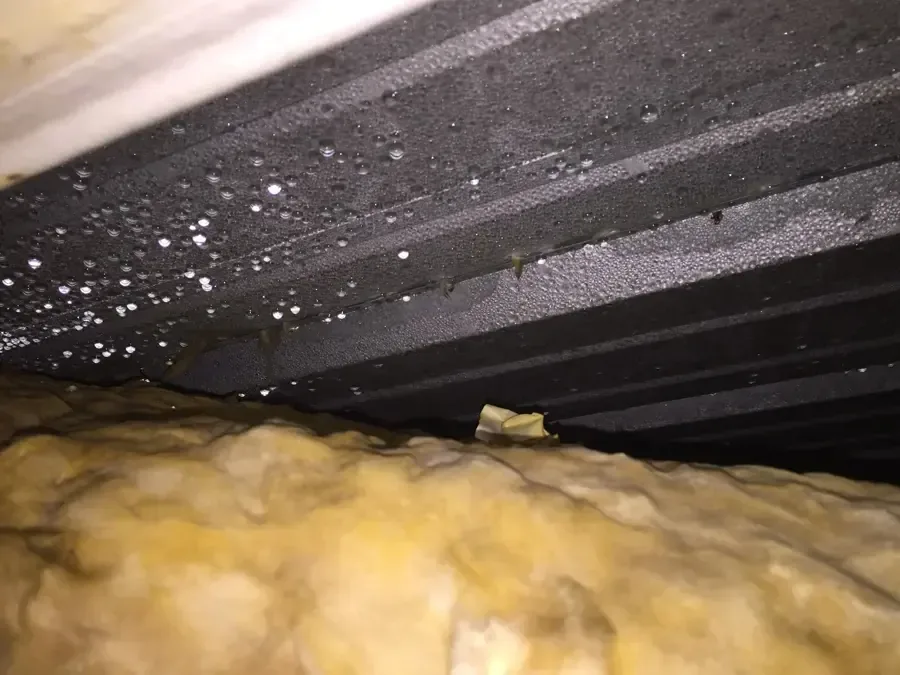 Roof Leak Water DamageStorm-damaged shingles and flashing that let rain into the attic, with wet insulation pulled and decking dried.View service
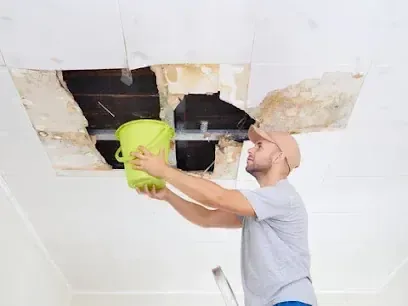 Ceiling Leak Water DamageStains, sagging drywall and drips traced to the source before the ceiling is opened and the joists dried.View service
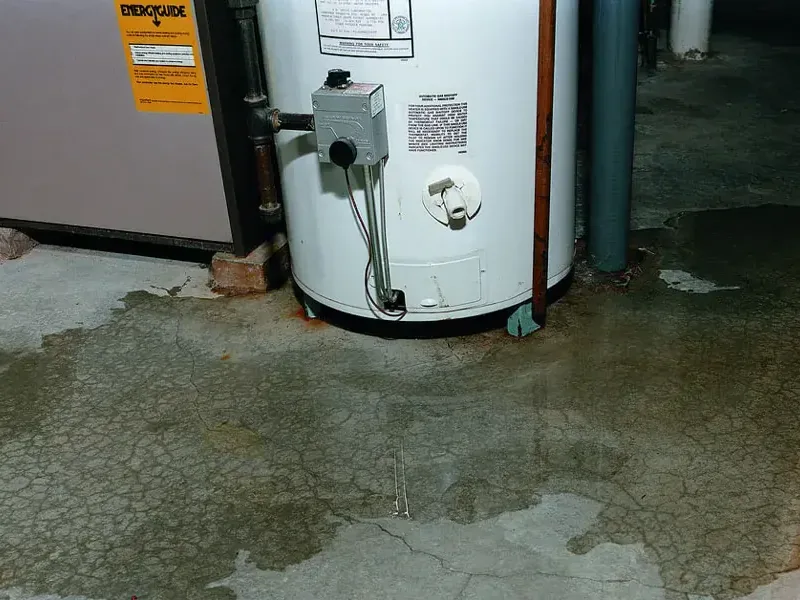 Water Heater Leak CleanupTank and fitting failures in garages, closets and attics extracted before water reaches rooms below.View service
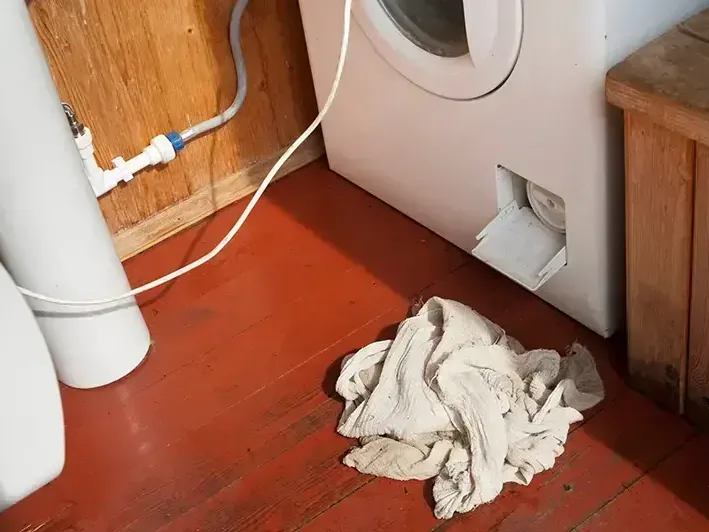 Appliance and Supply Hose LeaksWasher hoses, dishwasher lines, ice makers and toilet supplies that soak floors, cabinets and wall bottoms.View service
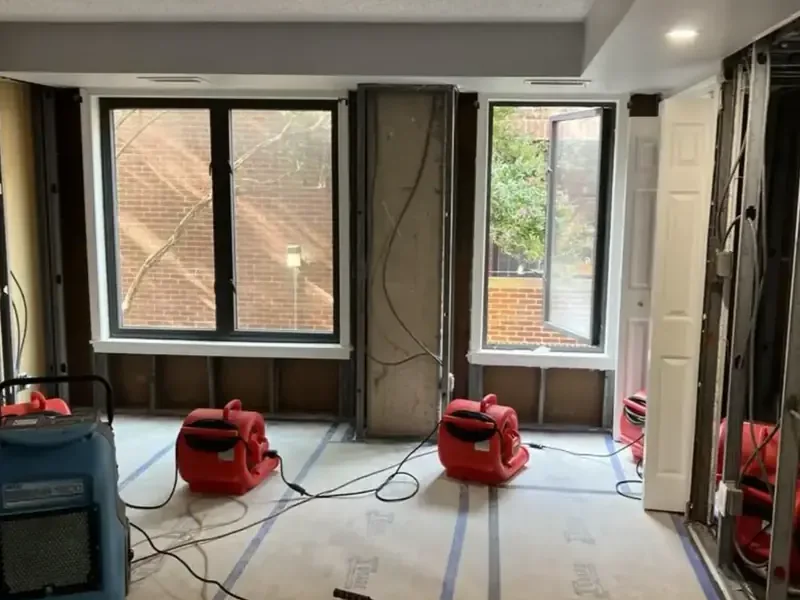 Structural Drying and DehumidificationAir movers and LGR dehumidifiers run until framing, subfloor and concrete read close to a dry reference.View service
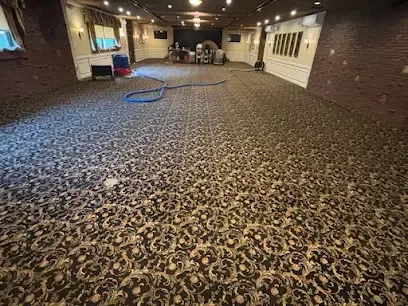 Commercial Water DamageShops, offices, schools, churches and rental buildings dried in phases so business can keep going.View service
First steps while the restoration team is on the way
- Stop the water. Close the main shutoff, usually near the street-side meter box or where the line enters the garage, if it is safe to reach.
- Kill power to wet rooms. Switch off breakers that feed rooms with standing water, and stay out of any room where water touches outlets or cords.
- Photograph before moving anything. Take wide and close photos of every wet room, the source and damaged belongings; the adjuster will ask for them.
- Lift what you can. Move rugs, furniture legs and boxes off wet carpet and set foil or blocks under anything that has to stay.
- Leave the walls alone. Skip tearing out drywall or running a shop vac on sewage; moisture mapping decides what comes out and what dries in place.
A dry-out judged by readings, not by touch
Surfaces feel dry long before framing, subfloor and slab are dry. The drying team measures first, sets equipment to the class of loss and leaves only when readings say so.
Dispatch at any hour
Active water is treated as urgent around the clock, nights, weekends and holidays included, because pad and drywall keep wicking while it sits.
IICRC S500 standard
Extraction, containment and drying follow the industry standard, with air movers and LGR dehumidifiers sized to the class of loss.
Claim-ready records
Moisture maps, daily psychrometric logs and timestamped photos taken before any demolition go into one file for the adjuster.
North Texas water know-how
Slab leaks, cold-snap pipe bursts, attic water heaters and spring downpours each leave a different moisture pattern, and each gets a different plan.
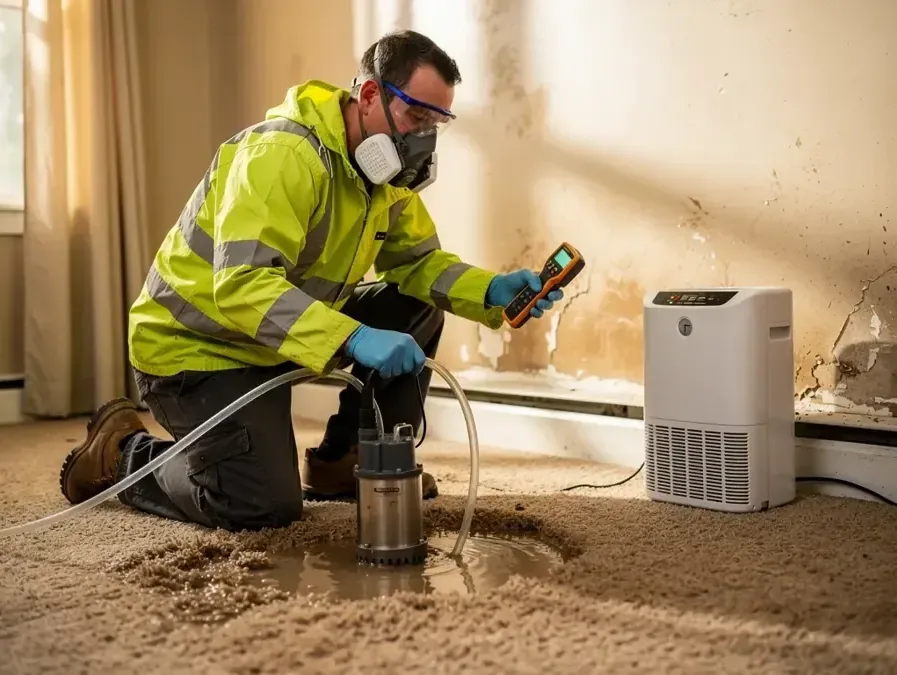
Every job is tracked with daily moisture readings and photos, so the drying ends on numbers and the claim file is ready.
Every category of water damage, handled to its own rules
Clean water
A supply line, a slab leak or a water heater. Caught early, carpet, pad and drywall can often be dried in place instead of torn out.
Burst pipe water damageGray water
A washer, dishwasher or toilet overflow without waste. Pad usually comes out, and surfaces get an antimicrobial before drying.
Appliance and supply hose leaksBlack water
Sewage and storm runoff. Category 3 from the start: containment, protective gear and removal of porous materials it touched.
Sewage backup cleanupWhat does water damage restoration cost in Crowley, TX?
Most clean-water losses caught early run $1,200 to $6,500. A slab leak or several soaked rooms usually lands between $6,500 and $18,000, and Category 3 sewage or storm water with rebuild work can pass $18,000.
One or two rooms, caught early
- Clean supply water
- Extraction and drying
- Three to five days of equipment
Slab leak or several rooms
- Flooring lifted over the leak
- Drywall cut at the wet line
- LGR and desiccant drying
Sewage, storm water or rebuild
- Category 3 containment
- Porous materials removed
- Antimicrobial and rebuild
Ranges are typical, not a quote. Water category, square footage, material class and how fast drying started move the number most. Try the water damage cost calculator for a closer range.
What the claim file holds
Adjusters decide coverage from documentation. The restoration team builds the file as the work happens, so the record of the loss exists before anything is torn out.
- A moisture map of every affected room
- Daily psychrometric logs of temperature, humidity and grain readings
- Timestamped photos taken before any demolition
- The water category and class of loss, written down
- A line-item scope of extraction, removal and drying
Check your own policy
Most homeowner policies treat a sudden and accidental leak, like a burst line or a failed water heater, differently from long-term seepage or flooding from outside.
Flood water from rising runoff usually needs separate flood coverage. Read your own policy and call your insurer early; the file supports the claim, the insurer decides coverage.
How a structural dry-out runs from day one to dry
Structural drying follows IICRC S500: find every wet material, remove what cannot be saved, then dry the rest until it reads within 2 to 4 points of a dry reference.
Map the moisture
Pin and pinless meters plus thermal imaging trace how far water traveled under flooring, into wall bottoms and up through the slab edge.
Extract and open up
Standing water comes out first, then wet pad, swollen baseboard and drywall below the wet line, so trapped water can escape.
Set up drying
Air movers push air across wet surfaces while LGR or desiccant dehumidifiers pull the moisture out of the room.
Read daily, then pull out
Readings are logged every day. Equipment comes out only when materials match the dry reference, not when they look dry.
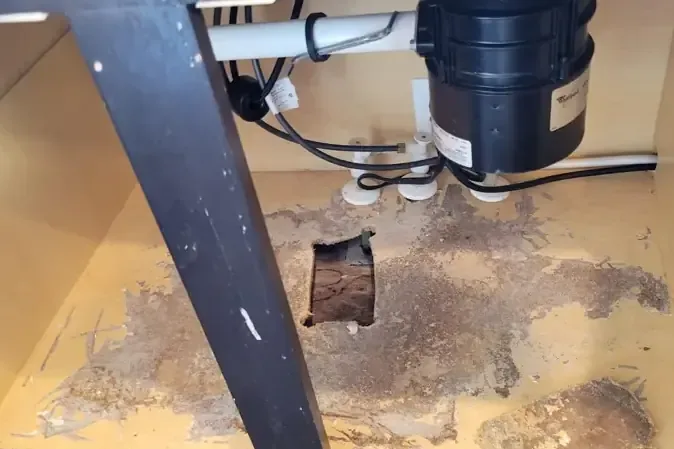
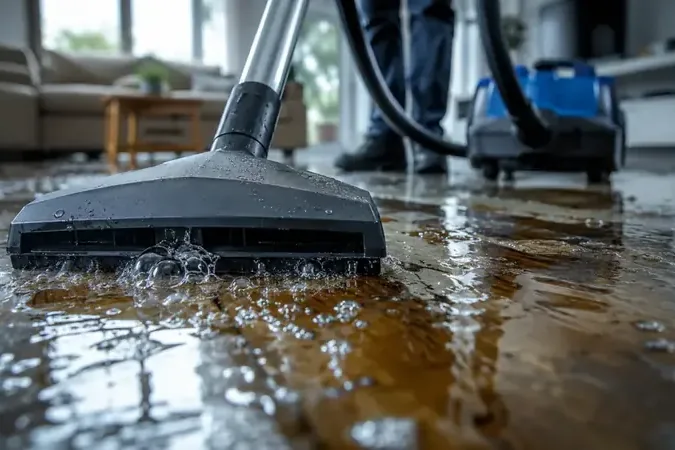
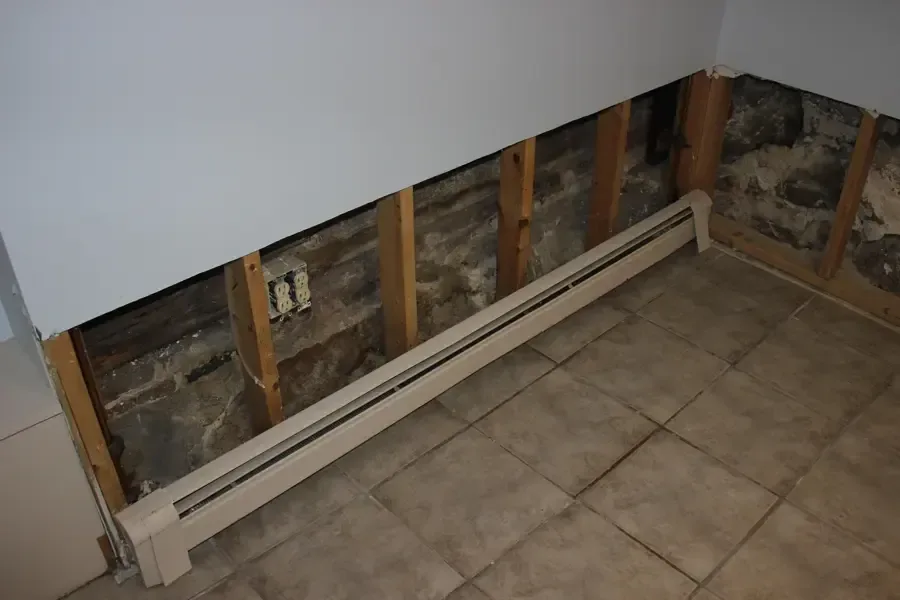
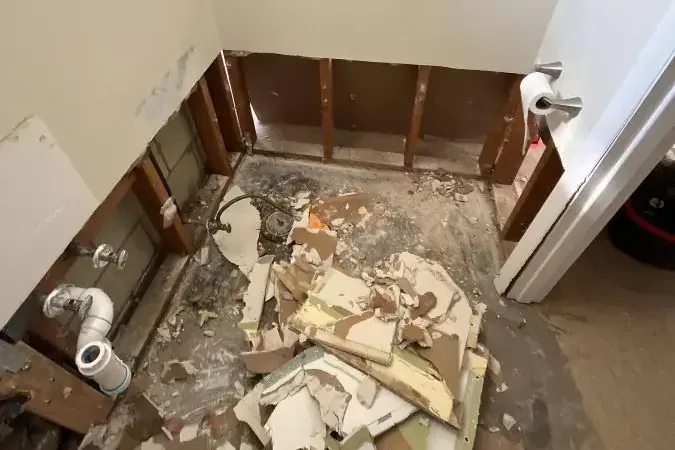
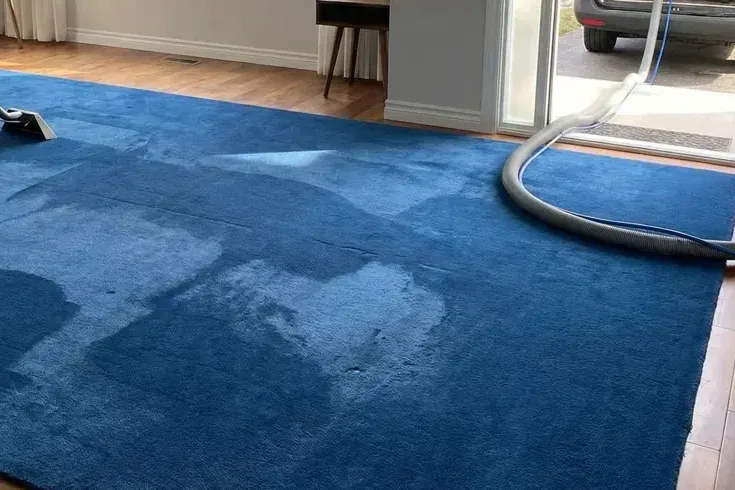
What extraction and drying look like on a water damage job

Neighborhoods and ZIP code covered in Crowley, TX
ZIP code
One call reaches water damage pros across southern Tarrant County, 24/7
From the older blocks along Main Street to the subdivisions off North Crowley Road and FM 1187, the response team covers every street in 76036.
Water near the county line or out toward Burleson, Joshua and Benbrook is covered too, with the same equipment and the same drying standard.
Tarrant County, TX · [email protected]
Find us on GoogleSee every area and nearby city covered
(888) 527-9134Reach dispatch from anywhere in 76036Neighborhoods and corridors
Nearby cities
What sends water into Crowley homes
A railroad town that grew up along Deer Creek and added 40.8 percent more residents in ten years, so a large share of the housing is newer, with slab-on-grade plumbing.
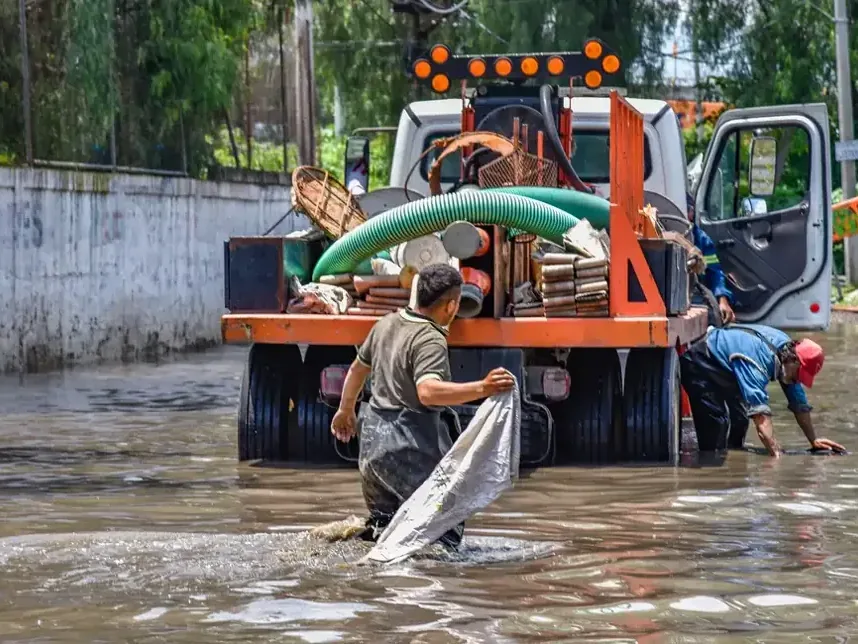
Water main break A major break on East Main Street dropped city water to critical levels and put nearly 8,000 households under a precautionary boil water notice.
Slab leaks under newer homes
Supply lines run under or through the concrete in slab-on-grade houses. A pinhole there shows up as a warm floor, damp carpet or a moving meter long before anyone sees water.
Hard freezes and split pipes
North Texas cold snaps bring ice storms, sleet and freezing rain. Lines in exterior walls, attics and garages can freeze, split and then flood the house once the thaw starts.
Spring storms along Deer Creek
Heavy rain with strong fronts sends runoff toward low lots, garages and slab edges near the creek channels, and that water arrives carrying soil and contaminants.
Attic and garage water heaters
A tank or relief valve that fails overhead soaks insulation and ceilings before it reaches the floor, so the damage spreads in two directions at once.
City water main trouble
Pressure swings during main breaks and repairs stress fittings and supply hoses, and a weak connector can let go after service comes back.
Crowley water damage questions, answered
Water on the floor right now?
Close the main, stay clear of wet outlets and call. The restoration team walks the household through the next steps.
(888) 527-9134 Ask the crew what to do firstHow fast can a crew respond?
Active water is treated as urgent at any hour, nights, weekends and holidays included. Dispatch confirms timing on the phone, and the response team arrives with extraction and drying equipment on the truck.
What should happen while waiting for the crew?
Close the main shutoff if it is safe, switch off breakers feeding wet rooms, photograph everything before moving it and lift rugs and small furniture off wet carpet. Leave drywall and sewage alone until the moisture map is done.
Is water damage covered by homeowners insurance in Texas?
A sudden and accidental loss, such as a burst pipe or a failed water heater, is often covered. Gradual leaks and flood water from outside are treated differently. Check your own policy; the claim file of readings and photos supports whatever your insurer decides.
What causes most water damage around here?
Slab leaks in slab-on-grade homes, pipes that split in a hard freeze, spring storm runoff near Deer Creek, water heaters in attics and garages, and appliance hoses. Each leaves a different moisture pattern and needs a different drying plan.
How long does drying take?
Most contained clean-water losses dry in three to five days. Slab leaks, Class 4 materials like hardwood and concrete, and contaminated water take longer. Equipment stays until readings match a dry reference, so the drying time estimator gives only a starting window.
What is IICRC S500 and why does it matter?
IICRC S500 is the industry standard for water damage restoration. It sets how water is categorized, how drying equipment is sized and how dryness is confirmed, so the job ends on measured readings instead of guesswork.
When does drywall have to come out?
Drywall touched by Category 3 water comes out. With clean water, drywall that is only damp often dries in place; wall bottoms are cut at the wet line when insulation is soaked or readings will not drop.
Why is sewage handled differently from a clean leak?
Sewage is Category 3 water from the start. The crew sets containment, wears protective gear, removes porous materials it touched and treats surfaces with an EPA-registered antimicrobial at the label dwell time. See sewage backup cleanup.
How is the cost figured?
Cost follows the water category, the square footage that got wet, the material class and how fast drying started. A walkthrough and a moisture map set the real scope; the cost calculator shows a typical range first.
A pipe froze and split during a cold snap. What now?
Close the main before the line thaws, open faucets to relieve pressure and keep power off in rooms with water near outlets. Thawing pipes often leak in several places, so the crew checks walls and ceilings near the split, as described on frozen pipe water damage.
Water in the house? A restoration crew can be on the way tonight
Water left sitting keeps spreading into pad, drywall and slab. Call now and get extraction and drying started.
(888) 527-9134Start drying out the house