Water Damage Restoration Everman, TX
When a pipe lets go or Chambers Creek spills into a house, the water keeps spreading through flooring and walls. The restoration team extracts it, dries the structure and documents the loss for the insurer.
(888) 527-9134Call to start the dry-out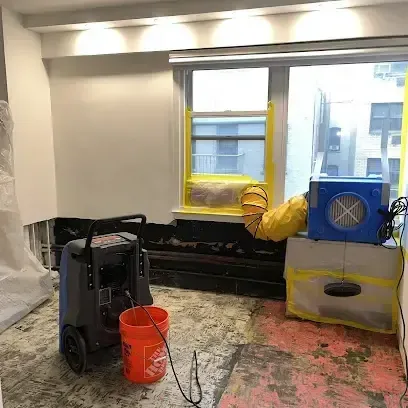
Water damage services for local homes
Every job starts with water removal and moisture readings, then moves to the drying, cleanup and repair steps the damage calls for, whether it began with a pipe, a roof or a creek.
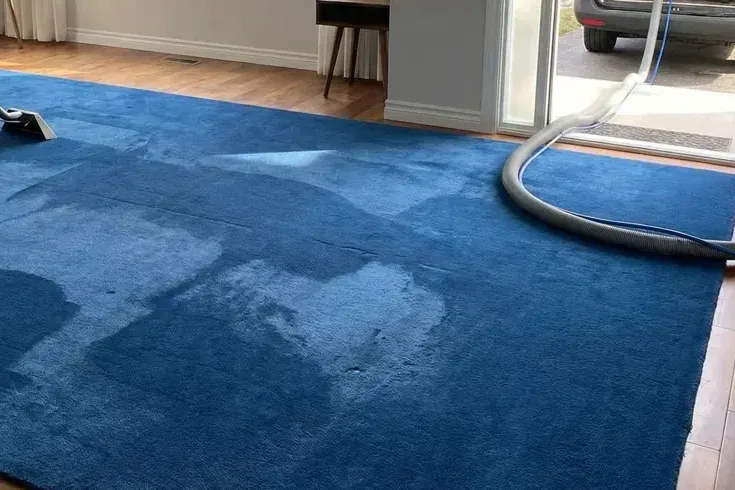
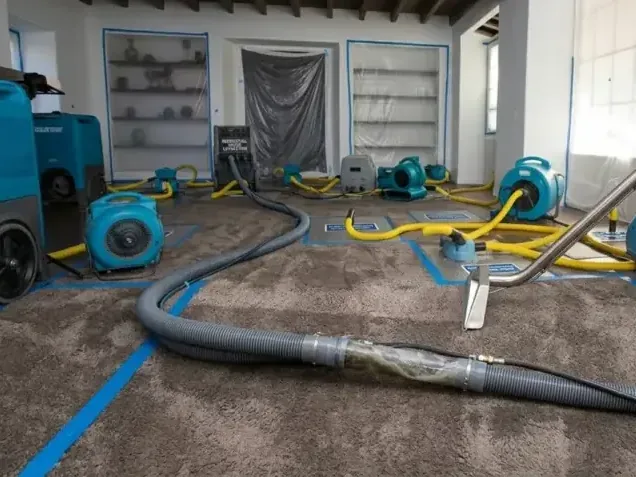 Water Extraction and RemovalPumps and truck-mounted extractors pull standing water from carpet, pad and hard floors before it soaks into framing.View service
Common here
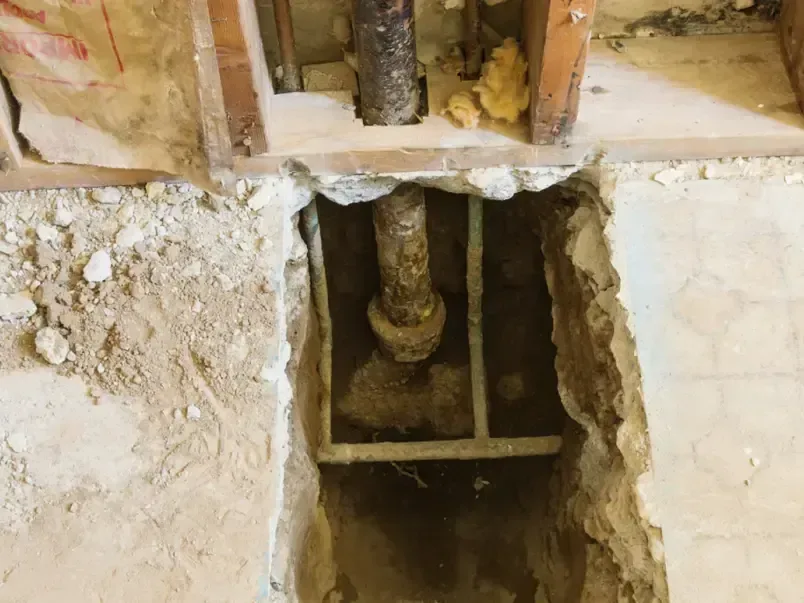 Slab Leak Water DamageMoisture mapping and electronic leak detection trace water escaping under a concrete floor, then the wet area gets dried out.View service
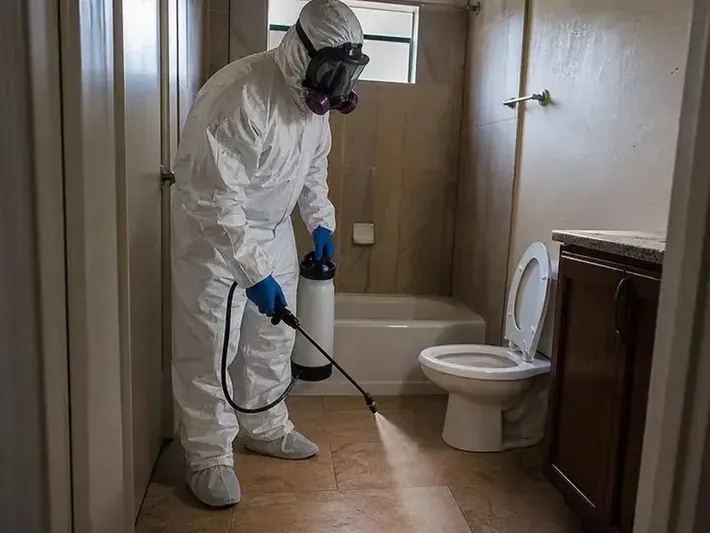 Sewage Backup CleanupContaminated water and soaked materials are removed, cleaned and treated so the affected rooms are safe to use again.View service
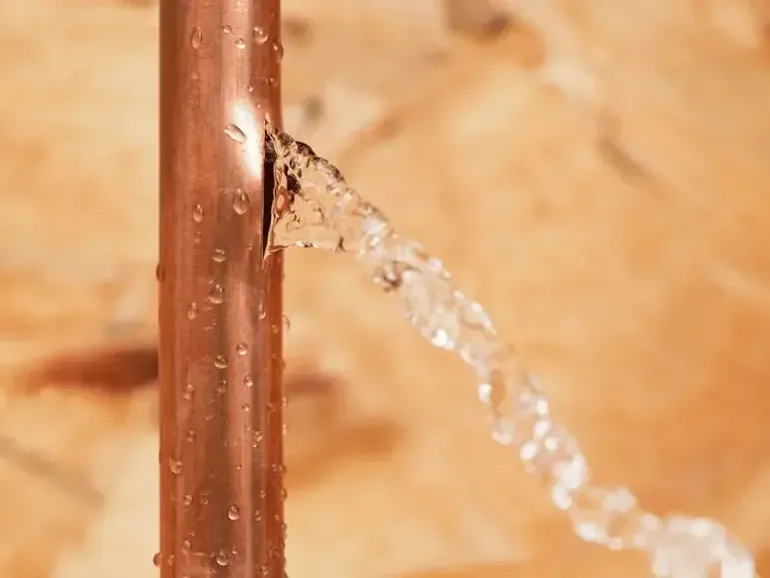 Burst Pipe Water DamageA split supply pipe floods rooms fast, so the water is shut off, extracted and the wet walls opened up.View service
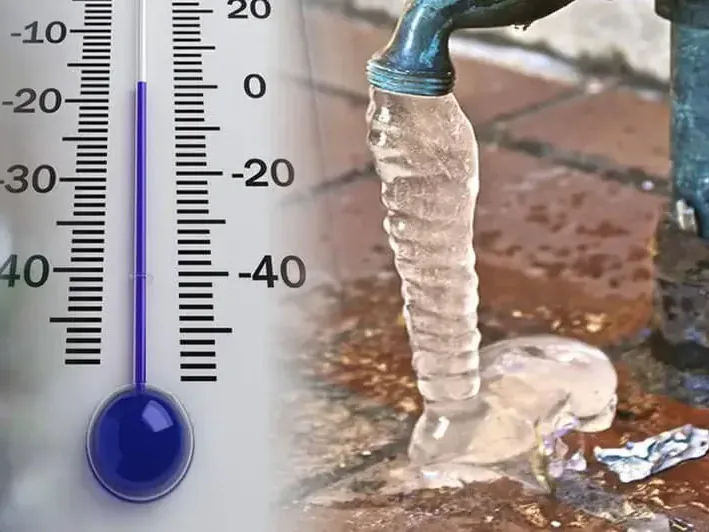 Frozen Pipe Water DamageNorth Texas cold snaps can crack pipes, and the damage often shows up at the thaw once water flows.View service
Common here
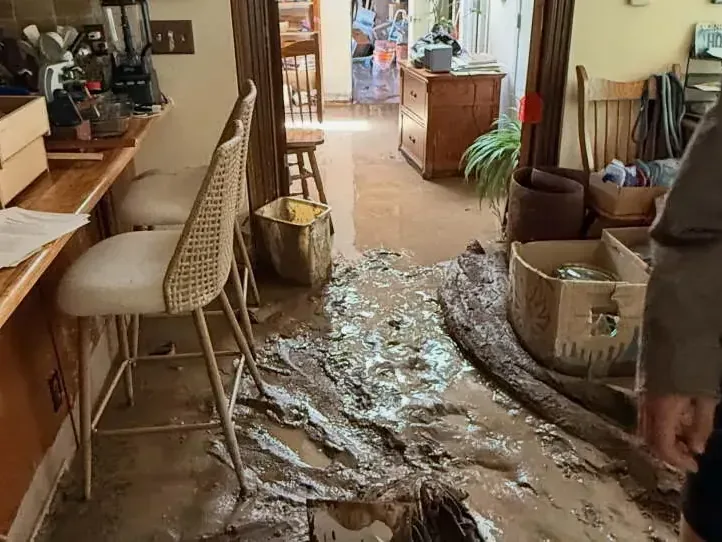 Storm and Flash Flood CleanupFloodwater from heavy rain or an overflowing creek is pumped out, and soaked contents and materials are sorted and removed.View service
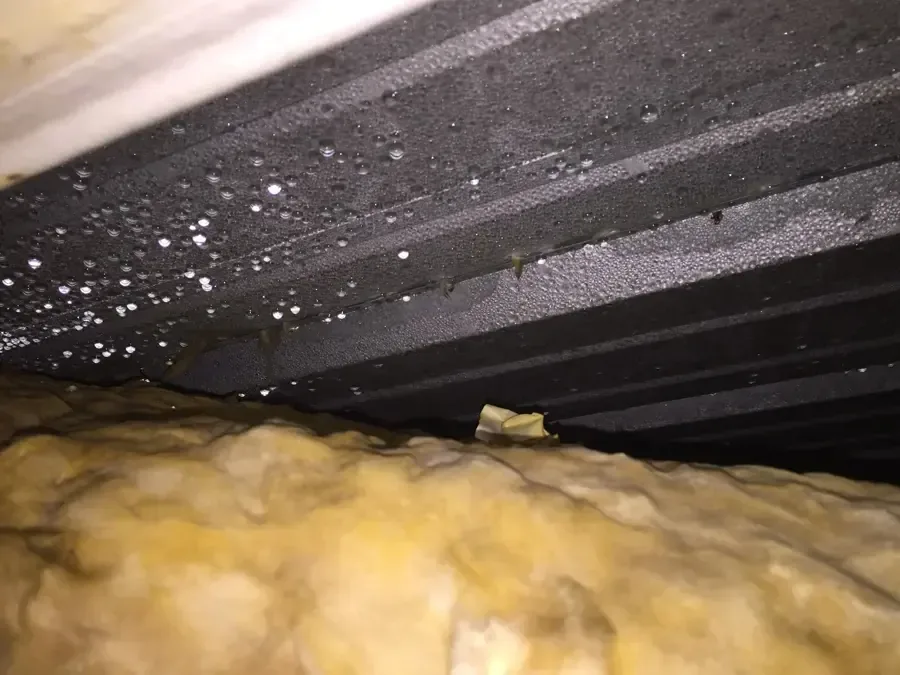 Roof Leak Water DamageStorm wind and heavy rain can open a roof, and wet insulation and ceilings get dried before damage spreads.View service
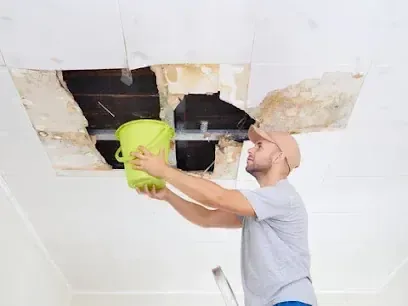 Ceiling Leak Water DamageStained or sagging ceilings are opened where needed so trapped water drains and the framing above can dry.View service
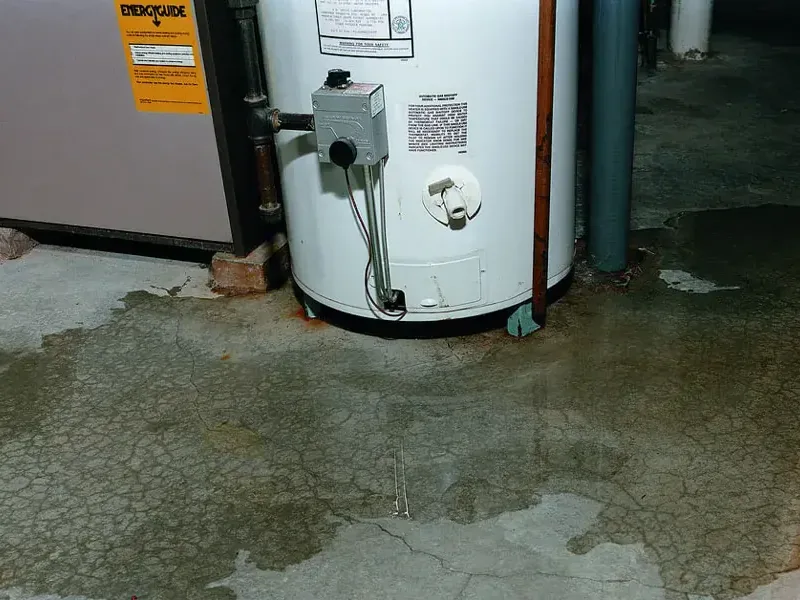 Water Heater Leak CleanupA leaking tank wets the floor and drywall around it, so the water is removed and the surrounding area dried.View service
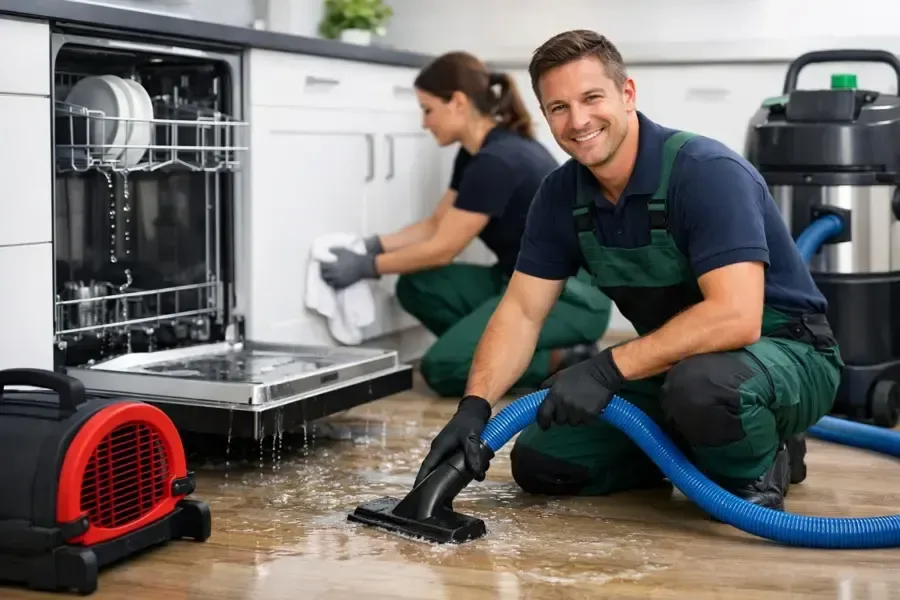
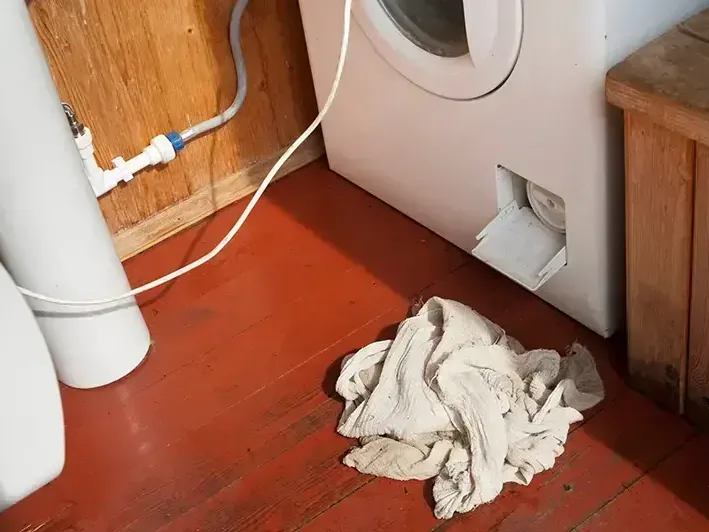 Appliance and Supply Hose LeaksWasher, dishwasher and refrigerator leaks soak floors and cabinets, which are dried before swelling and staining set in.View service
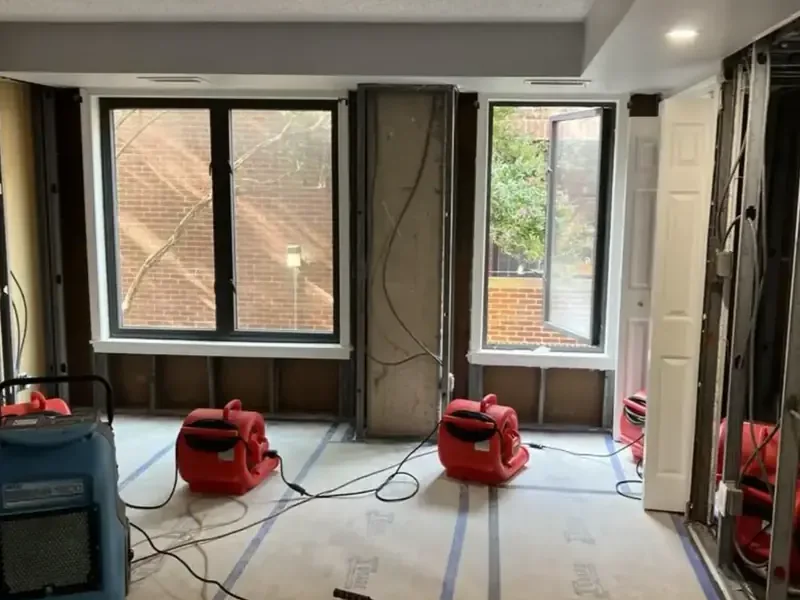 Structural Drying and DehumidificationAir movers and dehumidifiers dry framing, subfloors and walls to measured targets, even when humidity is high.View service
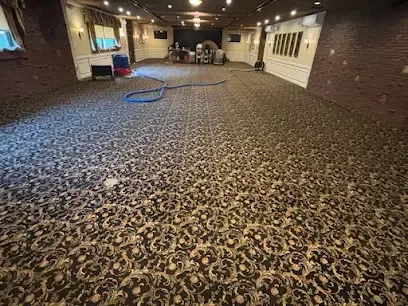 Commercial Water DamageSmall offices, shops and churches get the same extraction and drying process, with the work planned around the business.View service
First steps while the water is still spreading
- Stop the source. Shut the main valve or the appliance supply, and turn off power to any wet room if it is safe to reach the panel.
- Lift what you can. Move rugs, boxes and small furniture onto dry ground, and pull electronics and papers out of the wet area.
- Photograph everything. Take clear photos and video of the damage and the source before anything is moved or thrown away.
- Call the restoration team. Describe what happened and which rooms are wet so the crew can bring the right extraction and drying gear.
- Keep out of floodwater. Water that came from a creek or a drain can carry bacteria, so stay out of it and keep children and pets away.
What a proper dry-out looks like
Water that sits in a wall or under a floor does not dry on its own. The drying team uses meters and cameras to find it, then checks readings until the structure is dry.
Moisture mapping first
Meters and thermal imaging show where water traveled, so wet materials behind walls and under floors are not missed.
Gear sized to the loss
Extractors, air movers and dehumidifiers are matched to the size of the room and the type of flooring involved.
Records for the insurer
Photos, moisture logs and equipment notes are kept so the claim file shows what was wet and what was done.
Water only, done right
The work stays focused on water and sewage, with drying continuing until the readings match dry reference points.
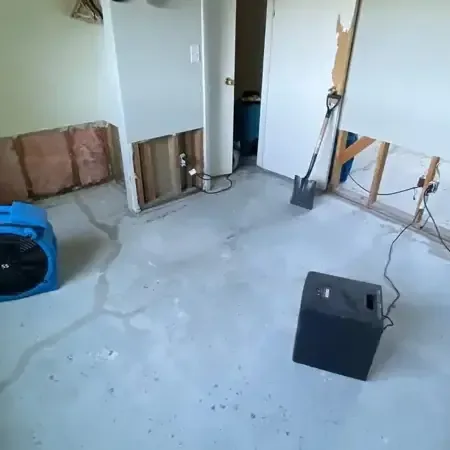
Everman sits on the southern edge of Fort Worth, and water here can come from a bad pipe, a failed roof or a creek overflowing.
Where water usually comes from in local homes
Burst and frozen pipes
A cracked supply pipe can soak several rooms in a short time, and the damage is worse if it runs unnoticed inside a wall.
Pipe failuresAppliance leaks
Supply hoses on washers and dishwashers can fail slowly, soaking cabinets and subfloors long before anyone sees a puddle.
Hose and drain failuresSewage and floodwater
Backed up drains and creek overflow bring contaminated water indoors, which calls for careful removal and cleaning.
Contaminated waterWhat water damage cleanup usually costs
Most jobs fall between $1,200 and $18,000, depending on how much area is wet, how long the water sat and whether it was clean or contaminated. Large floods and sewage losses can run higher still.
Small, caught early
- One room dried out
- Wet carpet and pad extracted
- Moisture checks until dry
Several rooms affected
- Walls and flooring opened
- Several days of drying
- Moisture records kept
Whole home or sewage loss
- Contaminated materials removed
- Extended structural drying
- A repair-ready scope of work
Final pricing depends on the square footage, the materials involved and the number of drying days, and an adjuster may need photos and moisture logs to approve the work.
Documenting damage for the adjuster
Insurers want proof of what was wet, what caused it and what was done to fix it, so the paperwork matters as much as the equipment.
- Dated photos of each wet room and the leak source
- Moisture readings logged at every visit
- Notes on what materials were removed and why
- A room by room list of damaged belongings
- Receipts for any emergency repairs or supplies
Handling the claim yourself
Call the insurer early, describe the cause plainly and ask what the policy covers before any materials are thrown away. Keep damaged items until the adjuster has seen them.
Sewage and creek flooding often fall under different coverage than a burst pipe, so ask which rules apply and whether a separate flood policy exists. Save every receipt.
A drying standard measured with meters, not guesses
Drying is finished when the materials read dry, not when the room feels dry. Each reading is logged so the insurer and the owner can see the result.
Assess and extract
The team finds the source, measures how far the water spread and removes standing water with pumps and extractors.
Open and treat
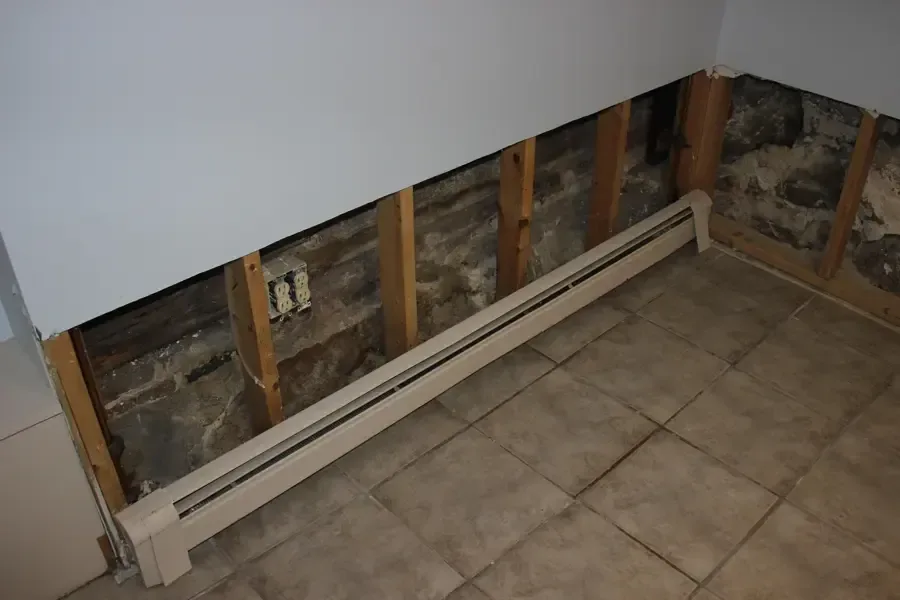
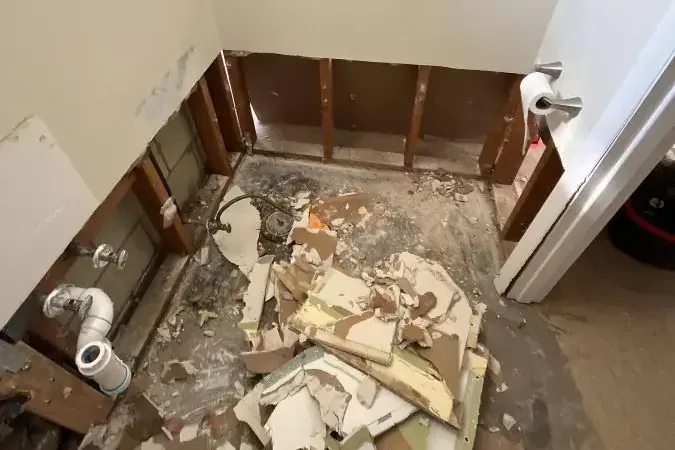
Wet baseboards, insulation or drywall are cut away where needed, and affected surfaces are cleaned and treated against bacteria.
Dry the structure
Air movers push moving air across wet surfaces while dehumidifiers pull moisture out of the room until readings fall.
Verify and document
Final readings are compared with dry reference points, and the equipment comes out only after the structure passes.
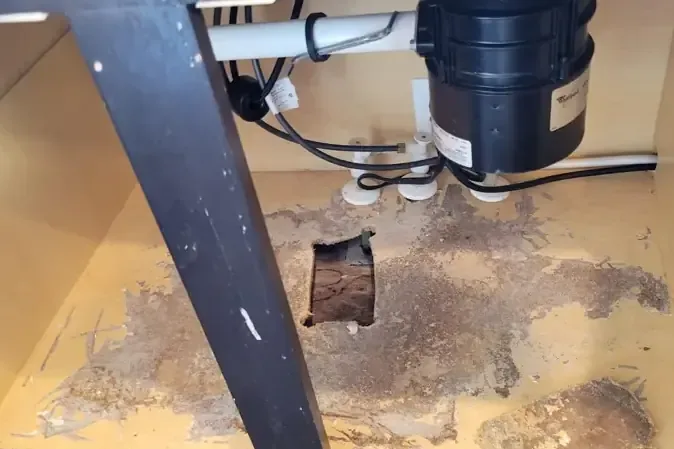
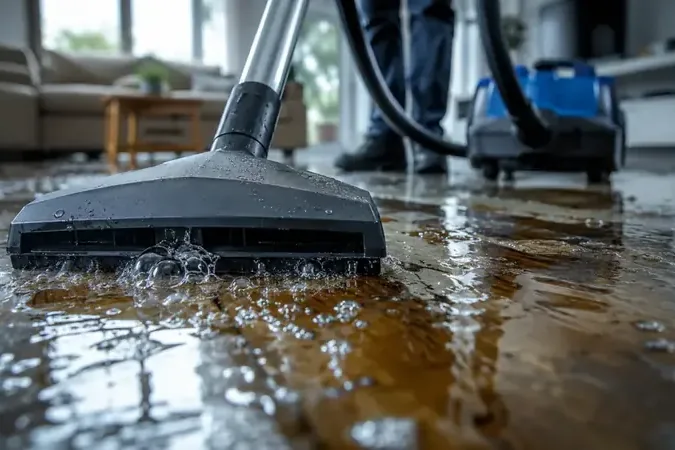
Water extraction and drying work in progress
Water damage restoration across Everman
ZIP code covered
Serving the southern edge of Fort Worth
Everman is an incorporated residential community, and the restoration team works street by street across it, including the Christie Avenue area beside Chambers Creek.
Homes and small businesses can call at any hour, and the details given on that call decide which pumps, air movers and dehumidifiers go on the truck.
Everman, TX · [email protected]
(888) 527-9134Talk to the team nowStreets and landmarks served
Nearby towns served
Why creek flooding matters here
Chambers Creek runs just feet behind some homes in the Christie Avenue area, and heavy rain has pushed it up several feet. Floodwater that reaches a house needs fast removal and careful cleaning.
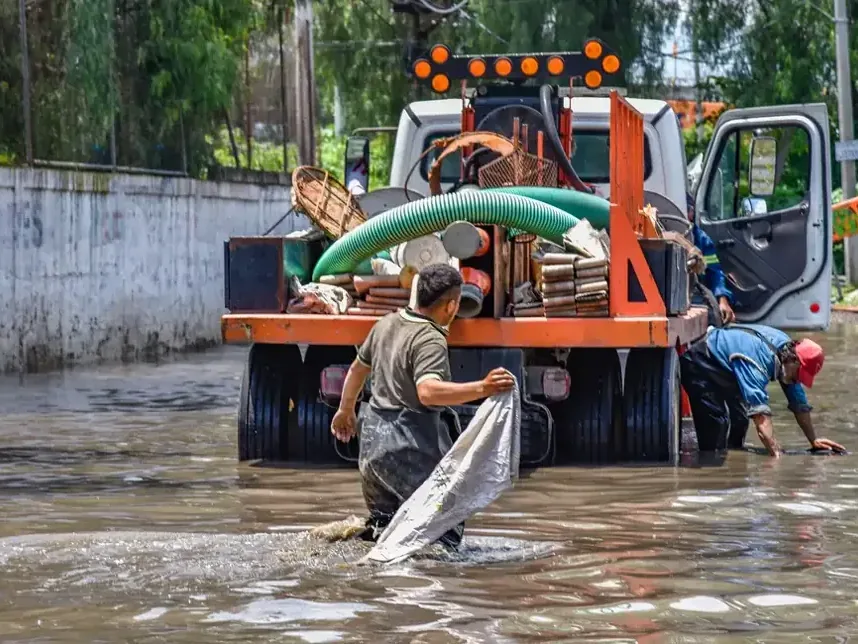
August 22, 2022 Everman set a record of 7.28 inches of rain in 24 hours, waist-deep water stood on Christie Avenue and 25 people had to be evacuated.
Chambers Creek overflow
The creek has risen several feet in torrential rain, and debris has covered a walking bridge over it, a sign of how fast the water can climb.
September 2018 flash flood
Six feet of water flowed over Christie Avenue on a Friday night, some residents waited on roofs for rescue, and a response center opened at the Everman City Hall Annex with the Red Cross.
Humidity slows drying
After the 2018 flood, contents of many Christie Avenue homes were ruined and humidity slowed drying, so controlled dehumidification matters.
City flood study
The city studied flood solutions in 2022 that could include home buyouts, park projects, creek improvements and drainage improvements.
Storm and tornado season
The city operates its own outdoor tornado warning siren system, a reminder that severe storms are a regular worry and heavy rain can leak through roofs.
Common water damage questions
Water still spreading? Call now
The restoration team can talk through the damage, explain what the equipment will do and start planning the extraction.
(888) 527-9134 Talk to the drying team nowHow fast should water be removed after a leak?
As fast as possible. Standing water soaks into carpet pad, drywall and framing, and materials left wet for a day or two can start to grow mold. Starting extraction early limits what has to be torn out.
What should be done first when a pipe bursts?
Shut off the main water valve, turn off power to wet areas if that is safe, then call a restoration team. Photos of the damage taken before cleanup help with the insurance claim. Move valuables out of the water's path.
Does floodwater from Chambers Creek need special cleanup?
Yes. Creek water carries mud, bacteria and debris, so soaked drywall, insulation and padding are usually removed instead of dried, and hard surfaces are cleaned and treated before drying starts. Contaminated water is handled with protective gear.
How long does structural drying take?
Most homes need several days of equipment running, though a wet slab, hardwood or high humidity can stretch that out. Moisture readings decide when the air movers and dehumidifiers come out. Drying stops only when the structure reads dry.
Will insurance cover water damage cleanup?
Coverage depends on the policy and the cause. Sudden pipe and appliance failures are often covered, while creek flooding and long-term seepage may need a separate flood policy. The adjuster makes the final call.
Can carpet be saved after a flood?
Clean water caught early can sometimes be extracted from carpet and pad. Floodwater or sewage ruins carpet and pad, which are removed and replaced. Hard floors and subfloors get dried in place.
What are the common causes of water damage?
Failed supply hoses, cracked pipes, leaking water heaters, roof leaks after storms and backed up drains cause most losses, and creek flooding adds to the list near the creek.
Is it safe to stay in the house during drying?
Usually yes for clean water losses, though the equipment is loud and the air is warm. After sewage or floodwater, the affected rooms should stay off limits until cleaning is finished.
Do small businesses get water damage help too?
Yes. Offices, shops and churches get the same extraction and drying methods, scheduled around business hours when possible, with moisture records that support the commercial insurance claim. Tell the team how large the space is and what it holds.
What can be kept and what has to go after a flood?
Hard items like metal, glass and sealed plastic can usually be cleaned and kept. Porous items such as mattresses, upholstery, particleboard and padding soaked by floodwater or sewage should go. Photograph them first for the claim, and hold anything valuable until the adjuster says it can be discarded.
Wet floors and walls need attention now
Call the restoration team, describe what happened and let the readings decide how much equipment and drying the structure needs.
(888) 527-9134Get help with the water