Water Damage Restoration Forest Hill, TX
Local water damage pros handle extraction, drying and cleanup for Forest Hill homes and small businesses, from a leaking supply hose to flash flood water that has reached the floors.
(888) 527-9134Call now for water removal and drying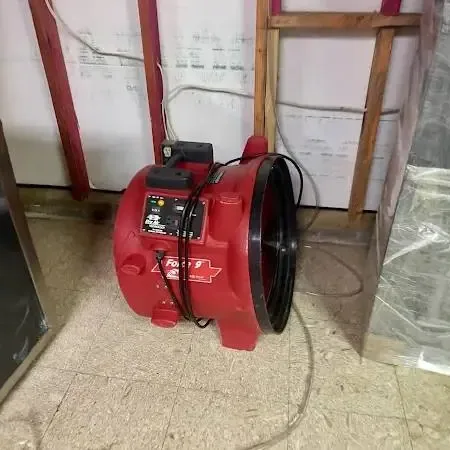
Twelve services for wet floors, walls and ceilings
Water reaches a home or shop in many ways, and each service below fits a different cause, from a split supply hose to a flooded garage in Forest Hill.
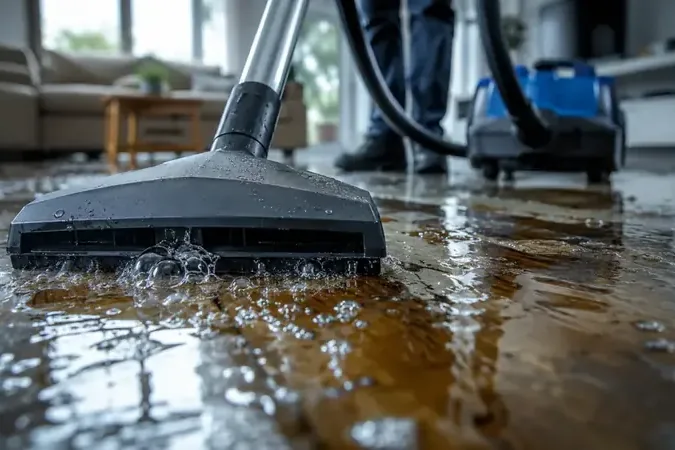
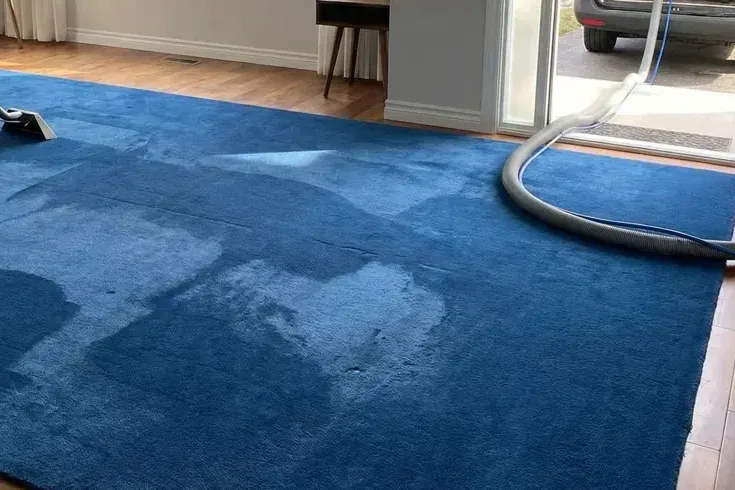
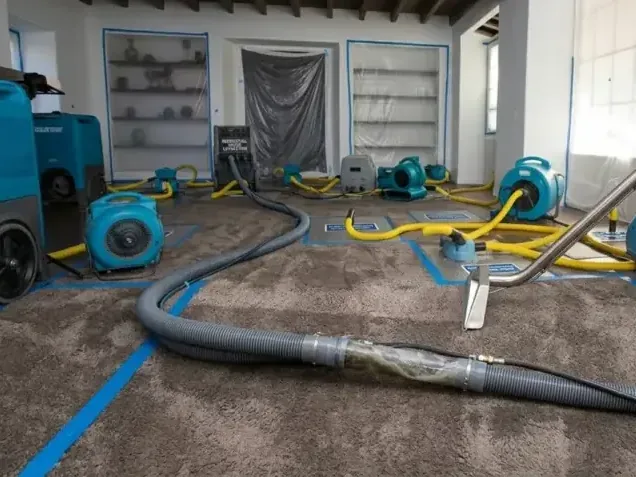 Water Extraction and RemovalPumps and extraction wands pull standing water from carpet, pad and hard floors before it travels into walls and subfloors.View service
Common here
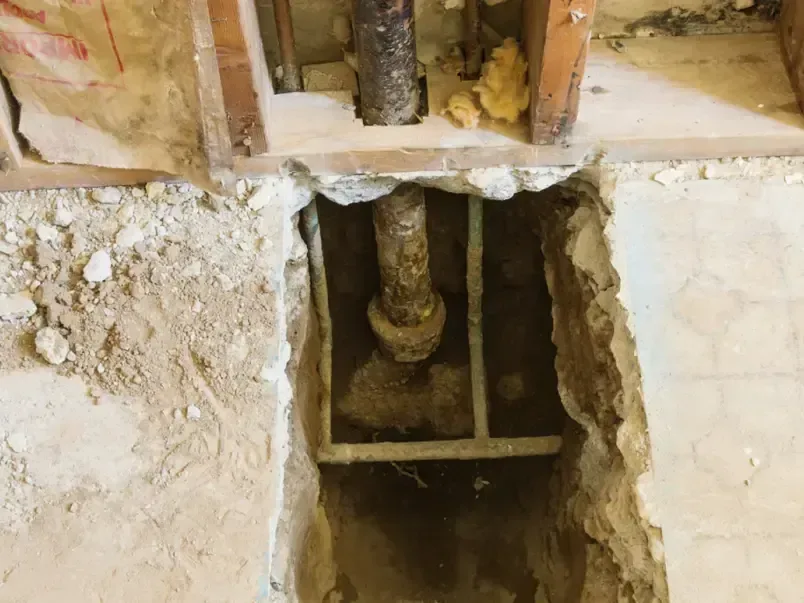 Slab Leak Water DamageA leaking pipe under the concrete floor keeps rooms damp for weeks until the source is found and the area is dried.View service
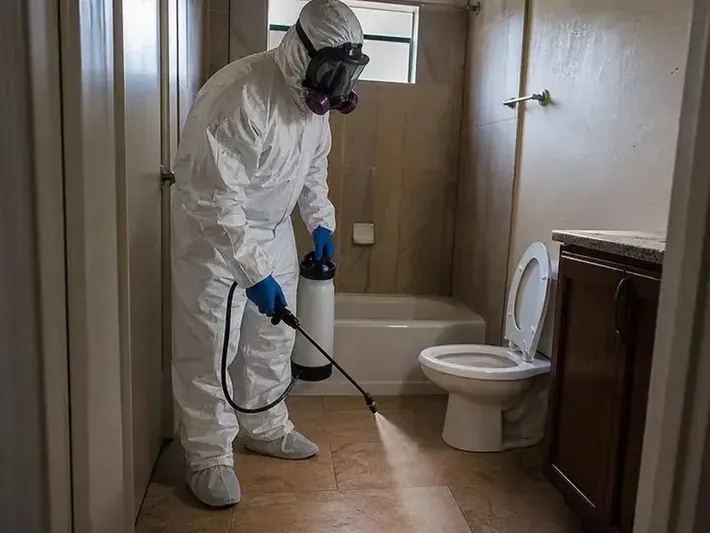 Sewage Backup CleanupBacked up drains send contaminated water across floors, and the affected materials are removed and sanitized.View service
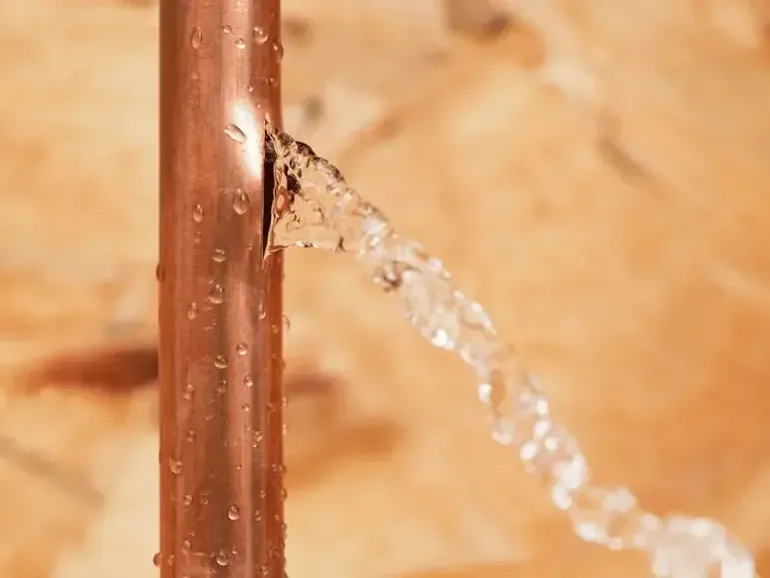 Burst Pipe Water DamageA split supply pipe can soak a wall and the room below, so extraction and drying start right after the shutoff.View service
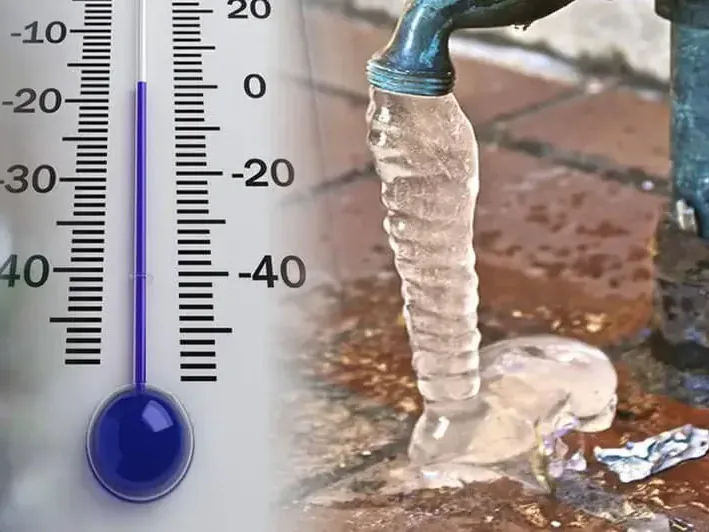 Frozen Pipe Water DamageSleet and ice storms can split exposed pipes, and the damage often shows once the thaw sends water into walls and ceilings.View service
Common here
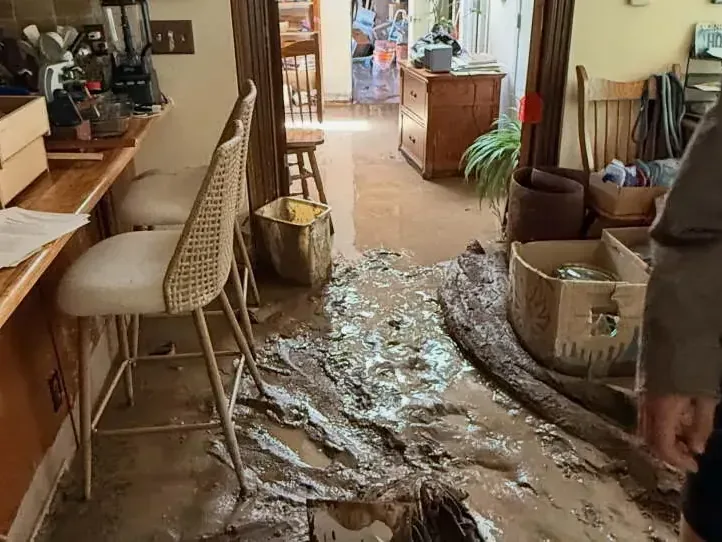 Storm and Flash Flood CleanupFlash flood water carries mud into garages and living areas and calls for pumping, removal of ruined materials and thorough drying.View service
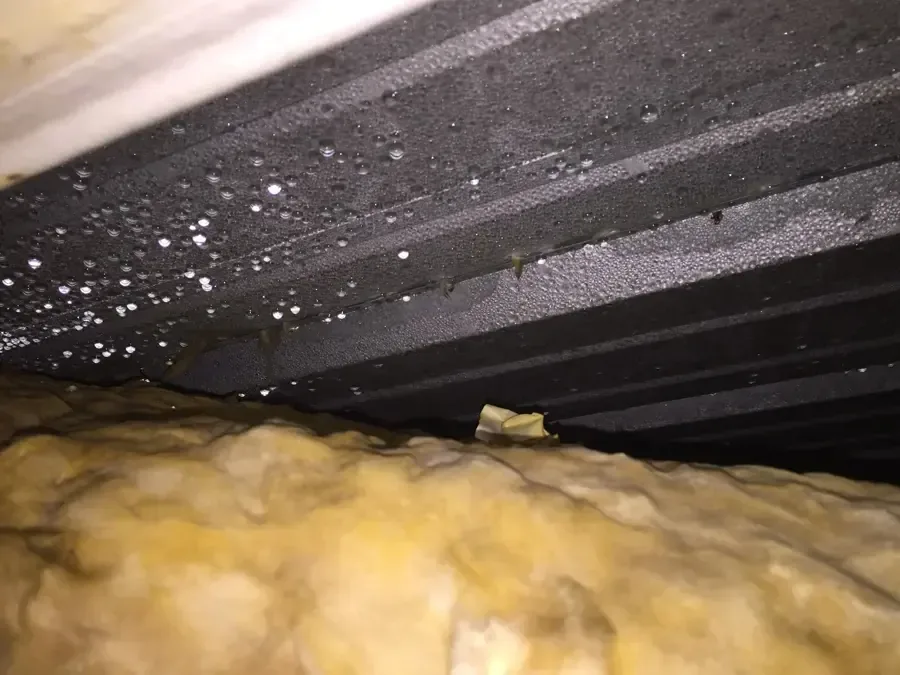 Roof Leak Water DamageRain that gets past worn roofing wets insulation and decking first, then drips into the ceilings and walls below.View service
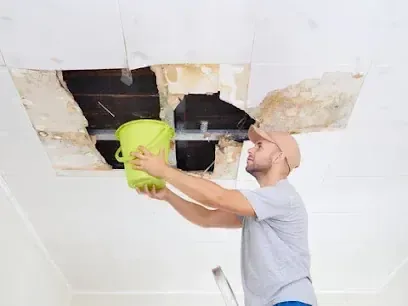 Ceiling Leak Water DamageA stained or sagging ceiling points to water above it, in the roof, the attic or an upstairs pipe.View service
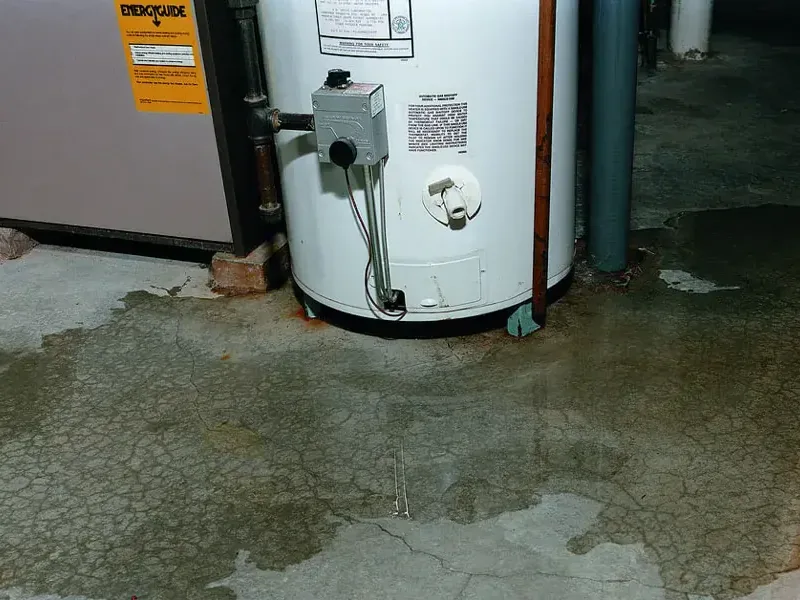 Water Heater Leak CleanupA failing tank can flood a closet, garage or attic, and the water spreads under walls into nearby rooms.View service
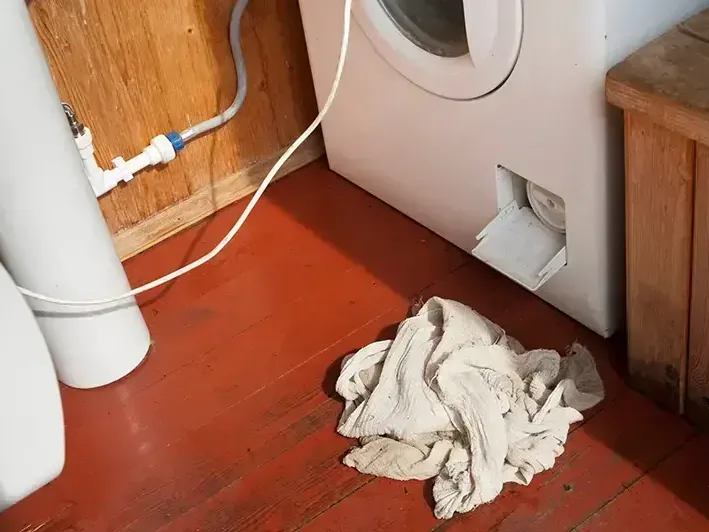 Appliance and Supply Hose LeaksDishwasher, washer and ice maker hoses fail slowly, and the water often hides under cabinets and flooring.View service
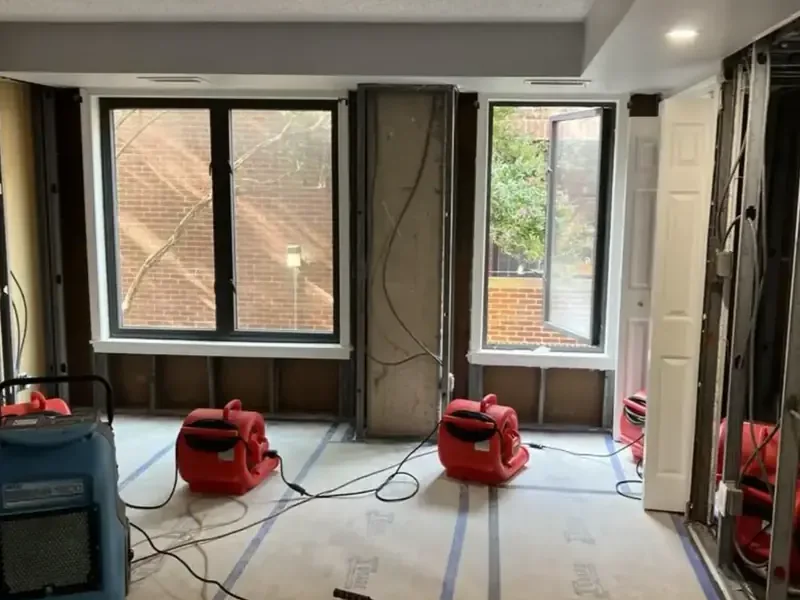 Structural Drying and DehumidificationAir movers and dehumidifiers pull moisture out of framing, drywall and subfloors that surface wiping cannot reach.View service
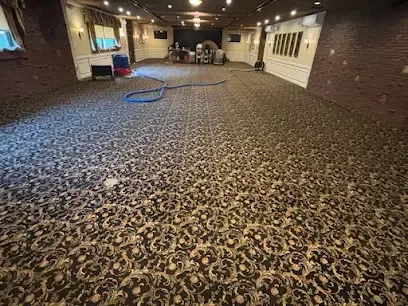 Commercial Water DamageShops, offices and churches get drying plans built around the building, with attention to stock, finishes and flooring.View service
Steps to take as soon as water shows up in the house
- Stop the water source. Close the main shutoff valve or the valve at the appliance if it is safe to reach, and switch off power to wet rooms.
- Protect your belongings. Lift furniture, rugs and boxes off wet floors and set electronics on dry surfaces. Items kept high are the easiest to save.
- Photograph the damage. Take clear photos and short videos of every wet area before anything is moved or thrown out, since insurers ask for them.
- Do not wait to dry. Standing water and damp drywall can grow mold in a day or two, so call for extraction and drying quickly.
- Call a restoration team. One call starts a plan for extraction, moisture mapping and drying, and a technician can explain what the water touched.
What sets a careful water damage response apart
A good response starts with finding every wet surface, not only the visible puddle, and ends only when moisture readings return to a normal dry level for the materials.
Moisture mapped first
Meters check floors, walls and ceilings so drying targets every wet material, not only what looks damp to the eye.
Water focused work
The work stays on water and sewage losses, which keeps equipment, methods and cleanup steps matched to the job.
Clear written scope
Each job starts with a listed scope of extraction, removal and drying, so owners and adjusters see the same plan.
Drying checked daily
Readings are taken during the job and equipment is adjusted until the structure is truly dry, not just dry to the touch.
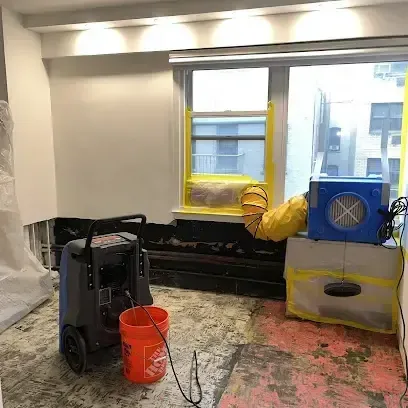
A dehumidifier and air movers do the slow work after the standing water is gone, pulling moisture out of framing, drywall and flooring.
Three common ways water ends up inside a home
Burst supply pipes
A split supply pipe or fitting can release gallons into a wall cavity, so the walls, the ceiling below and the floor all need checking.
Burst pipe cleanupAppliance leaks
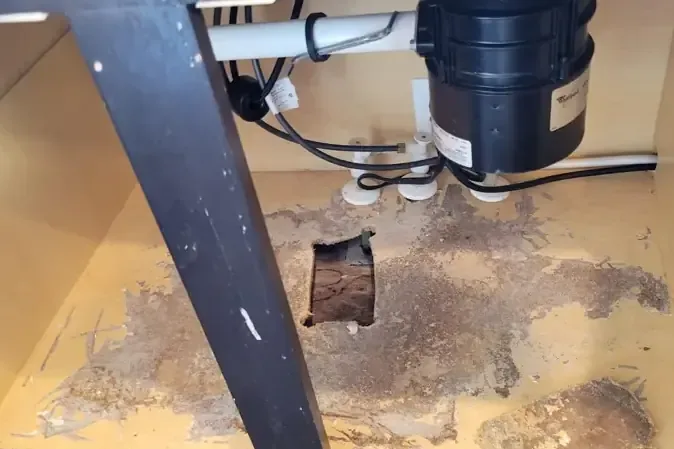
Supply hoses, drain hoses and ice maker connections fail quietly, and cabinets or flooring can hold water for days before anyone notices.
Appliance leak helpSewage backups
A backed up drain pushes contaminated water into bathrooms and hallways, which turns a wet floor into a sanitation job.
Sewage backup cleanupWhat does water damage restoration cost here?
Cost depends on how much water entered, how long it sat and whether it was clean or contaminated, and most losses fall into three broad tiers based on the rooms affected and the drying time they need.
Small loss, caught early
- One or two wet rooms
- Extraction and cleanup work
- Short drying run with meters
Several rooms affected
- Walls and flooring opened
- Drying over several days
- Daily moisture checks
Large or contaminated loss
- Sewage or flood water
- Materials removed
- Full structural drying
Final pricing depends on a walkthrough of the damage, and coverage differs by policy and cause, so owners should ask their carrier what applies to their situation.
Working with your insurance carrier
Homeowner policies often cover sudden water damage but not slow leaks, and flood damage is usually a separate policy, so the cause of the loss matters.
- Photos and video before cleanup begins
- Moisture readings and drying logs from the restoration team
- A written scope listing each removal and drying step
- Receipts for emergency repairs and hotel stays
- A room by room list of damaged belongings
Reading the policy
Sudden events such as a burst pipe or a failed water heater are the kind of loss most homeowner policies are written for, though terms and deductibles differ.
The Texas Department of Insurance notes that flood insurance does not pay for burst pipe damage, so owners who hold both policies should describe the cause accurately to each carrier.
A drying standard that is followed from start to finish
The goal of every job is a dry, clean structure, reached by removing water first, then controlling humidity until readings match unaffected parts of the home.
Remove water
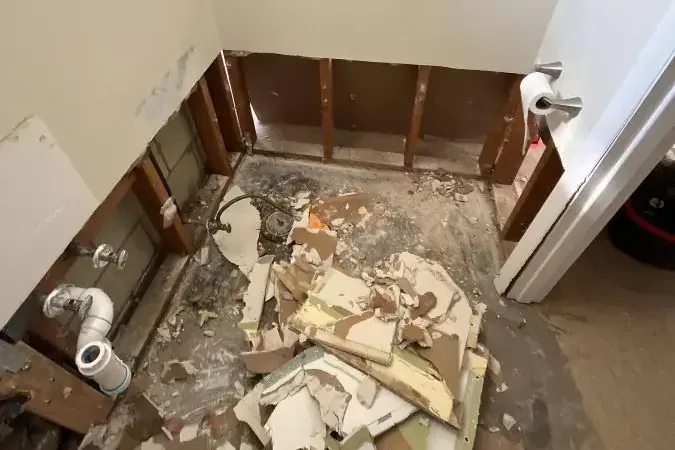
Pumps and extraction wands take out standing water, and soaked pad or damaged materials are cut out and bagged.
Open and inspect
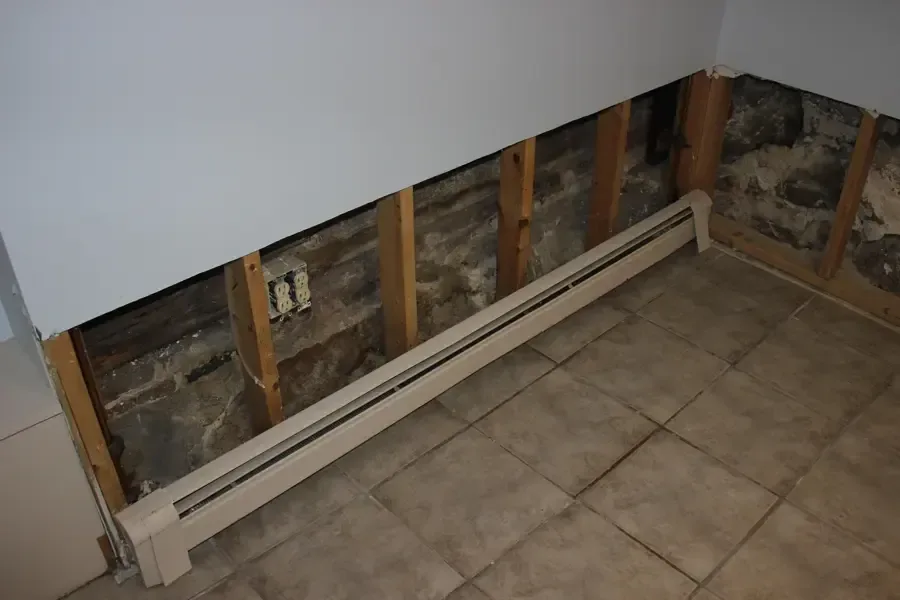
Baseboards, lower drywall and flooring are opened where needed so meters can find moisture hidden behind the surface.
Dry the structure
Air movers and dehumidifiers run for several days while readings are logged and equipment is moved as areas dry.
Confirm and close
Final readings show the structure matches dry reference levels before equipment leaves and repairs can begin.
Equipment and techniques used on water losses

Where the restoration team works
ZIP codes served
Service from Wichita Street to Anglin Street
The restoration team works across the city between Wichita Street and Anglin Street, and along the I-20 corridor where homes and small commercial buildings sit side by side.
Both ZIP codes, 76119 and 76140, are covered, including streets near Forest Hill Drive and Old Mansfield Road, and visits can be arranged with owners or adjusters.
Forest Hill, TX · [email protected]
(888) 527-9134Call to confirm your streetMain roads and landmarks
Nearby towns served
Local water risks to watch
Flash floods, winter storms and aging household plumbing all bring water indoors in North Texas, and the city's growth from the 1940s onward means many homes have decades of wear.

September 2018 Flash floods on a Friday night damaged about 70 homes, and the Forest Hill Fire Department rescued residents from homes filled with floodwater.
Flash flood water
Flash floods in September 2018 reached about 70 homes, including some on higher ground, so storm water can enter houses that never flooded before and needs fast removal of mud and soaked materials.
Freezing pipes
North Texas winter storms bring sleet, ice and snow that can freeze exposed pipes, and the Texas Department of Insurance advises closing the shutoff valve when pipes freeze or before leaving during a freeze.
Older homes and aging parts
Home building from the 1940s and fast growth in the 1960s mean much of the housing is decades old, and worn supply hoses, fittings and roofing can fail.
Sewer backups
The city built its own sewer system and disposal plant as septic tanks were phased out, and a clogged or overloaded drain can still send wastewater back into a home.
Small business losses
More than 300 businesses operate in the city, from restaurants and banks to contractors, so a water loss can hit a shop or office as well as a house.
Common water damage questions
Water on the floor right now?
Shut off the water if it is safe, then call the restoration team to start extraction and drying.
(888) 527-9134 Call about water in your homeHow soon should water damage be dried?
As soon as possible. Water spreads into drywall, insulation and subfloors quickly, and materials that stay wet for a day or two can grow mold, so extraction and drying should begin right away.
Is water damage restoration covered by insurance?
Coverage depends on the policy and the cause. Sudden events such as a burst pipe or a failed water heater are commonly covered, while slow leaks and flood damage often are not, so owners should check with their carrier.
Does flood insurance cover a burst pipe?
No. The Texas Department of Insurance states that flood insurance does not pay for damage caused by burst pipes, which fall under a homeowner policy instead. Owners with both policies should describe the cause of loss clearly to each carrier.
What causes most indoor water damage?
Supply hoses, water heaters, roof leaks, frozen pipes and drain backups cause most losses. Slow leaks inside walls or under floors often go unnoticed until stains, warping or odors appear. The burst pipe service covers many of these cases.
Can wet drywall and carpet be saved?
Clean water caught early can often be dried in place. Carpet pad, soaked insulation and drywall touched by sewage or floodwater are usually removed, because they cannot be cleaned reliably.
How does the drying process work?
Technicians extract standing water, open wet walls or floors where needed, and place air movers and dehumidifiers. Moisture readings are taken each visit until the structure reaches dry levels.
What should be done before the crew arrives?
Shut off the water source, turn off power to wet rooms if it is safe, lift belongings off wet floors and take photos. Avoid using household vacuums on standing water.
Does the work cover sewage backups?
Yes. Sewage and contaminated floodwater are handled with protective gear, removal of porous materials and sanitizing, because this water carries bacteria and is not safe to wipe up alone. See sewage backup cleanup for the full process.
Can a small business get water damage help?
Yes. Shops, offices and churches get extraction and drying plans built around the building, with attention to stock, flooring and keeping part of the space usable when possible.
What does water damage restoration cost?
Cost depends on the amount of water, how long it sat and what it touched. Small losses caught early cost far less than sewage or multi room floods, and a walkthrough gives owners a clearer scope of work.
Wet floors or walls? Get the restoration team started
Call anytime to describe the damage, and the team will explain the next steps for extraction, drying and cleanup.
(888) 527-9134Call for water cleanup