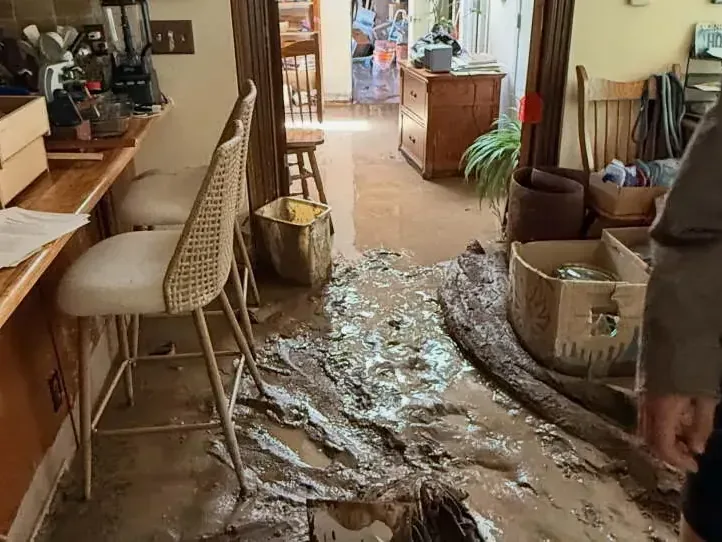
When Chambers Creek leaves its banks, water can reach homes faster than a family can carry belongings to higher shelves. The first day sets the pace for everything after it: safety, removal, drying and paperwork.
Key takeaways
- Creek floodwater carries debris and runoff, so it is treated as contaminated water, not as a clean plumbing leak.
- Power and standing water do not mix. Stay out of flooded rooms until the electricity is off and the area is safe.
- Extraction comes first, because water left standing keeps wicking into baseboards, wall bottoms and furniture legs.
- Humidity slowed drying after past floods, so measured structural drying matters more than opening windows.
- Photos, a list of ruined contents and a moisture log make the claim and the cleanup go smoother.
Why Chambers Creek matters to local homes
Chambers Creek runs just feet behind some homes in the Christie Avenue area. In torrential rain the creek has risen several feet, and a walking bridge over it has been covered by debris.
That closeness is why a rain event upstream can become a water-in-the-house event here with little warning. The city describes itself as a residential community on the southern edge of Fort Worth, so most losses here are houses, not commercial buildings.
Two recent floods show the pattern. In a flash flood on a Friday night in September 2018, six feet of water flowed over Christie Avenue, and some residents climbed onto roofs to wait for rescue.
On August 22, 2022, the city set a record of 7.28 inches of rain in 24 hours. The previous near-record was about 5.3 inches in 2018, and the 2022 flood put waist-deep water on Christie Avenue.
The first safety steps
Safety decisions come before any cleanup. Floodwater can hide debris, hold sewage and energize anything plugged in or wired low on a wall.
The Everman City Hall Annex served as a response center with the Red Cross after the 2018 flood, so residents have a recent example of where local relief can gather.
- Turn off the electricity at the main breaker only if the panel is dry and reachable without stepping into water.
- Do not wade through standing water near outlets, appliances or extension cords.
- Move to higher ground if the creek is still rising and listen for city and National Weather Service alerts.
- Keep children and pets out of flooded rooms, since floodwater can carry bacteria.
- Wear boots and gloves for any short trip through wet areas.
Why creek water is treated as contaminated
Water from a burst pipe starts clean. Water from a creek does not.
It crosses yards, streets and ditches before it reaches a door, picking up soil, fuel, fertilizer and sewage.
That is why the cleanup rules change. Porous materials that soaked up creek water, such as carpet, pad, insulation and the lower part of drywall, are usually removed instead of dried in place.
Hard surfaces can usually be cleaned and disinfected. The restoration team sorts each material by how much water it absorbed and how long it stayed wet.
- Carpet and pad are normally removed and discarded.
- Wet insulation and low drywall are cut out so the wall cavity can dry.
- Solid wood and tile can often be cleaned and dried in place.
- Upholstered furniture and mattresses that floodwater reached are usually judged too porous to make safe again.
What the extraction crew removes first
Standing water goes first. The extraction crew uses pumps and wet vacuums to take water off the floor before it spreads into wall bottoms and cabinets.
Every inch removed early is an inch that cannot wick into baseboards. Waist-deep water, like the water seen in 2022, may need pumping before any vacuum work can begin.
Water first, then debris
Mud, silt and creek debris come out next. Left behind, they dry into a crust that holds moisture against floors and walls.
Then the soaked materials
Once the water is out, ruined carpet, pad and swollen trim are cut and carried out. This opens the structure so the drying equipment can work on bare surfaces.
Local pros who handle storm and flash flood cleanup follow this order because each step makes the next one possible. Details on the extraction itself are on the water extraction page.
Why humidity makes drying harder
After the 2018 flood, the contents of many homes on Christie Avenue were ruined and humidity slowed drying. That humid air is a normal part of a wet North Texas fall or spring, and it keeps damp materials from releasing moisture.
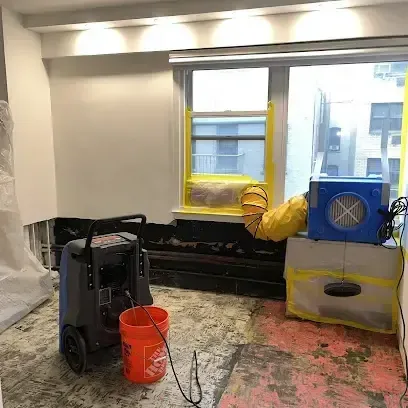
Opening windows can make this worse on a muggy day. Dehumidifiers and air movers control the air so wall cavities and floors lose moisture on a measured schedule.
Mold can begin to grow in damp materials within a day or two, which is the main reason drying starts as early as safety allows.
- Moisture meters check wood, drywall and concrete, not just what the eye sees.
- Dehumidifiers pull water out of the air while air movers push dry air across wet surfaces.
- Readings are repeated until each material reaches its dry standard.
- Equipment is removed only after the readings confirm the structure is dry.
Sorting belongings once the water is out
Not every wet item is lost, and not every dry-looking item is safe. A simple three-pile system keeps the work organized.
Heavy items stay where they are until the crew has checked the floor under them. Moving a wet sofa across a soaked floor can tear the material and spread contaminated water into dry rooms.
For a loss that reaches several rooms across Everman, the wider storm and flash flood cleanup service explains how larger jobs are staged.
- Keep: hard items such as metal tools, glass, solid wood and plastic that can be washed and disinfected.
- Ask first: photos, documents, electronics and keepsakes that may be worth specialist cleaning.
- Discard: carpet, pad, food, cosmetics, stuffed items and anything porous that floodwater soaked.
What to document before anything leaves the house
Photos and a short written list protect the homeowner when an insurer or relief agency asks what was lost. The governor's disaster declaration of September 28, 2018 covered Tarrant County, a reminder that large events bring formal paperwork.
- Photograph each room, the waterline on walls and any damaged belongings before moving them.
- List ruined contents with a rough description and age.
- Keep samples or photos of flooring and carpet before they are discarded.
- Save receipts for emergency repairs and equipment.
- Ask the restoration team for its moisture readings and drying log.
Getting ready for the next heavy rain
The city studied flood solutions in 2022 that could include home buyouts, park projects, creek improvements and drainage improvements. Those are long-range projects, and they do not change what a homeowner can do this season.
Practical steps help. Keep valuables and important papers on high shelves, know where the main breaker and water shutoff sit, and sign up for weather alerts.
Check gutters and nearby drains so water has a clear path away from the house.
Everman also runs its own outdoor tornado warning siren system, so storm alerts here are not limited to flood watches.
Questions
How quickly should water be removed after a creek flood?
As soon as it is safe. Standing water keeps spreading into wall bottoms and furniture, so extraction is the first job once the electricity is handled and the area is secure.
Is Chambers Creek floodwater safe to clean up with a mop?
No. Creek water can carry sewage, debris and bacteria, so gloves, boots and professional disinfecting are standard for flooded rooms.
Why does a flooded house stay damp for so long?
Humid air slows drying, which is what residents saw after the 2018 flood. Dehumidifiers and air movers with moisture readings are used to dry the structure on a schedule.
Should carpet and pad be kept after a flash flood?
Usually not. Carpet and pad that soaked up contaminated water are removed, while hard surfaces are cleaned and dried in place.