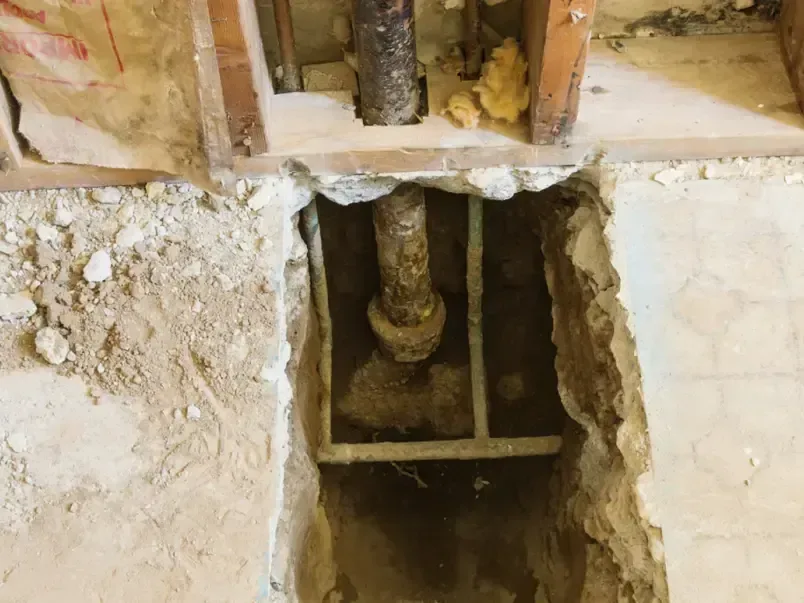
A slab leak is a pressure leak in a pipe under or inside a concrete foundation. It cannot be seen, which is why the clues in the house matter so much.
Key takeaways
- A slab leak is a pressure leak under concrete, found by moisture mapping and leak detection, not by looking.
- Common signs include a warm spot on the floor, a water meter that moves with everything off, damp wall bottoms and the sound of hissing or running water.
- A rising water bill with no change in habits is another clue worth checking.
- Early detection keeps a leak to one room, while a long-running leak can reach several rooms and the flooring.
- Wet flooring is lifted and the slab and wall bottoms are dried before new flooring goes down.
A fast-growing city and its homes
Crowley had 12,838 residents in 2010 and 18,070 at the 2020 census, up 40.8 percent. The city counted 6,044 households in 2020.
Growth means a mix of homes built at different times. Each one has pipes running through or under a slab, and any home on a slab can develop a hidden leak.
The signs below apply to any slab home, whatever its age.
What a slab leak is
In a slab-on-grade house, some supply pipes run in or under the concrete. If one of them develops a pinhole or a split, pressurized water escapes into the ground and the slab.
The water can travel through gaps, saturate the soil, rise up the sides of the slab or find its way under walls. It is a constant leak, so it runs day and night.
- The pipe is under pressure, so the leak is steady.
- The water often goes unseen for weeks or months.
- Hot water pipes can warm the floor above them.
- The slab itself is not damaged, but flooring and wall bottoms are.
Signs to watch for
Several clues can point toward a slab leak. One alone is not proof, but two or three together are a reason to investigate.
- A warm or hot spot on the floor, especially where there is no heater or vent.
- A water meter that moves when every fixture and appliance is off.
- The sound of running or hissing water in a quiet house.
- Damp, discolored or bubbling baseboards and wall bottoms.
- Carpet that feels wet or smells musty with no spill.
- Tile or laminate that lifts, cracks or shifts.
- A water bill that rises with no change in use.
- Low water pressure from a fixture that used to run strongly.
The meter test
Turn off every fixture and appliance that uses water, then look at the meter. If the dial or leak indicator keeps moving, water is going somewhere.
The warm floor check
Walk barefoot across floors in the morning. A spot that is noticeably warmer than the rest can sit above a hot water pipe that is leaking.
A slab leak warning check runs through these signs in order.
What happens after a leak is suspected
A moisture mapping and leak detection step comes before any cutting. Instruments trace the water path and narrow down where the pipe is failing.
Once the source is known, the pipe is repaired or rerouted by a plumber. The restoration side then removes wet flooring and dries the structure.
The slab leak water damage service covers this restoration work.
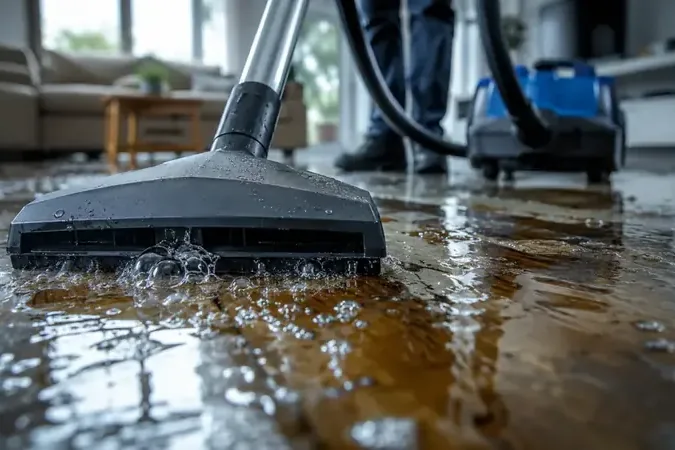
- Wet carpet, pad or flooring is lifted.
- Baseboards and the lower wall are checked and opened if wet.
- Air movers and dehumidifiers dry the slab surface and wall bottoms.
- Meters track progress until the dry standard is reached.
Hot water and cold water leaks
Not every slab leak behaves the same way. A leak in a hot water pipe often warms the floor and runs the water heater more than usual.
A leak in a cold water pipe tends to show up as damp spots, a moving meter and a drop in pressure.
Both types are confirmed with instruments before any flooring is cut. Guessing at the location can mean opening more floor than needed.
A plumber then chooses between repairing the pipe in place and rerouting it overhead. Either way, the wet floor covering comes out first so the slab can start to dry.
- Hot water leaks: warm floor spots, a water heater that runs often, higher gas or electric bills.
- Cold water leaks: damp baseboards, a musty smell, cool wet patches and a meter that keeps moving.
- Either type: hissing sounds, cracked tile and a bill that climbs.
Why speed matters
A leak that runs for a long time soaks more materials. Drywall, trim, flooring and the subfloor edges absorb water and swell.
Damp materials can also grow mold if left wet. Early detection limits both the repair and the cleanup.
Homeowners often wait because a leak seems minor, yet the water is running every hour of the day. A reading on the meter taken at night and again in the morning, with no water used, shows how much is escaping.
- A leak caught early may involve a single room.
- A long-running leak can reach a kitchen and the rooms beside it.
- Water bills grow with every day the leak runs.
- Finishes such as wood and laminate suffer more the longer they stay wet.
Drying a slab and wall bottoms
Concrete holds moisture and gives it up slowly. Drying a slab takes longer than drying a wall, and flooring cannot be reinstalled until the slab reads dry.
The structural drying crew uses moisture meters and dehumidifiers to confirm the numbers. For a rough timeline, the drying time estimator can help.
If water has reached more than the slab surface, the water extraction crew removes standing water first.
Repairs and costs
A slab leak involves both plumbing and restoration costs. The plumbing repair fixes the pipe, and restoration deals with the damage.
The water damage cost calculator shows how loss size changes the scale of the work.
Keeping a record helps.
- Note when the signs first appeared.
- Photograph damp areas and meter readings.
- Save water bills that show a change.
- Keep reports from leak detection and repair.
Questions
What is the most reliable first sign of a slab leak?
A water meter that moves when every fixture is off is one of the clearest signs, especially alongside a warm floor spot or damp wall bottoms.
Can a slab leak be seen from above?
Not usually. Water runs under or inside the concrete, so clues show up as warm floors, damp baseboards or a rising bill.
Does a slab leak damage the concrete itself?
The slab is rarely the main problem. The damage is to flooring, baseboards and wall bottoms, which absorb the water.
How is a slab leak found without breaking the floor?
Moisture mapping and leak detection instruments trace the water path, so the location is narrowed before any cutting begins.